

Fast relief from pink eye
Conjunctivitis Treatment
Conjunctivitis, commonly known as pink eye, is an inflammation of the eye’s surface that can cause discomfort, redness, and discharge. Early treatment helps relieve symptoms and prevent spread or complications.
- Redness, itch, discharge or gritty feeling clears in 2–7 days with proper care
- Bacterial: antibiotic drops; Viral: supportive care; Allergic: anti‑itch drops
- Highly contagious – start treatment to protect others

Red eyes need the right diagnosis
Who should get checked?
- Redness with yellow/green pus-like discharge (likely bacterial)
- Intense itch with clear/watery discharge (allergic conjunctivitis)
- Redness with watery discharge + cold/flu symptoms (viral)
- Contact lens wearers with redness (higher infection risk)
- Symptoms lasting >3 days or sudden vision changes
Conjunctivitis has 3 main causes requiring different treatments. Self‑diagnosis risks wrong therapy or spread.
You should see an eye specialist if you or your child experience:
What is involved in conjunctivitis treatment?
Diagnosis first, targeted therapy
We examine your eye discharge, corneal clarity, and eyelid swelling to ensure an accurate diagnosis.
-
Slit‑lamp exam
Checks discharge type, cornea clarity, eyelid swelling
-
Cause‑specific treatment
Bacterial drops, allergy drops, or viral supportive care
-
Follow‑up if needed
Culture if not improving in 48 hours
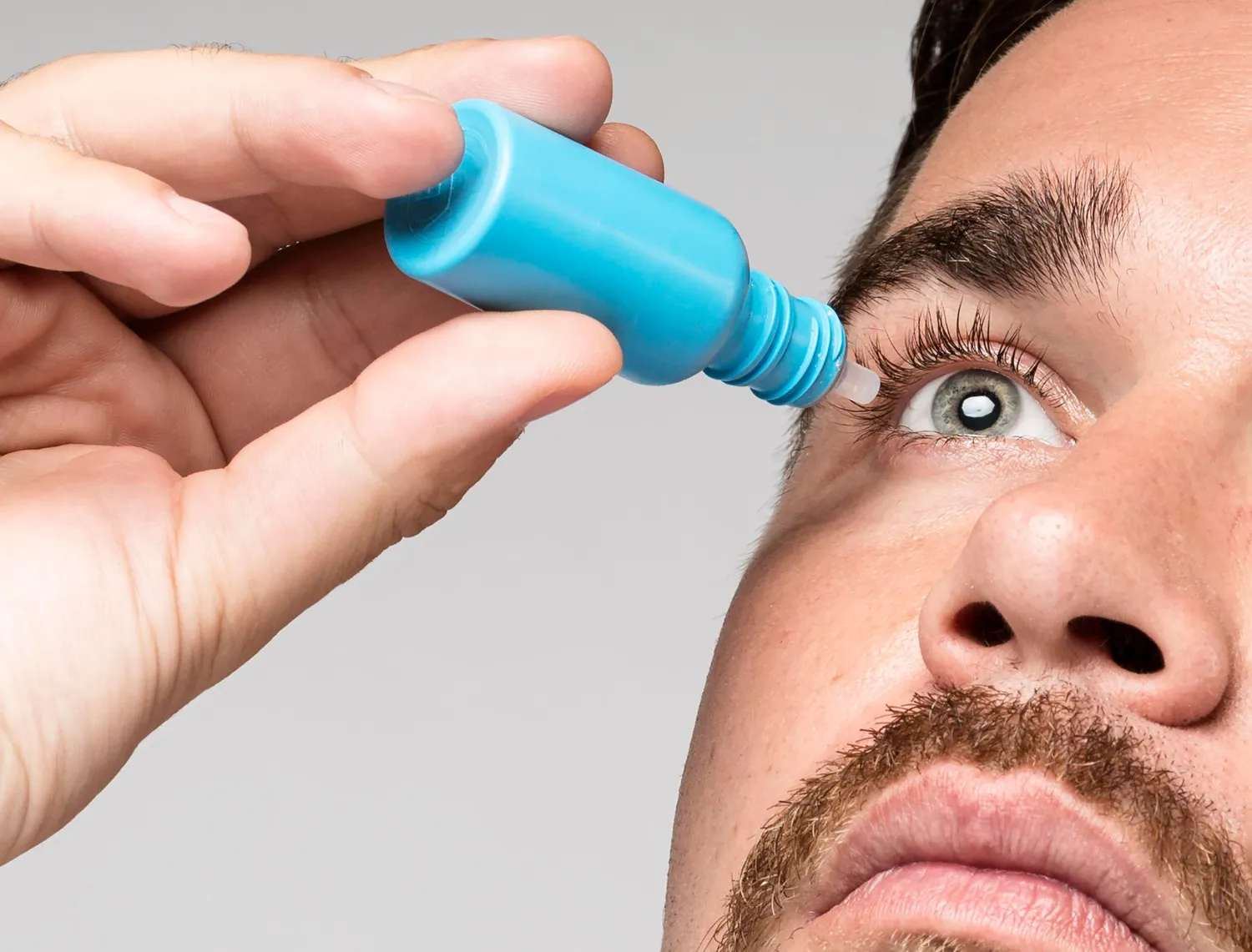
Types of Conjunctivitis Treatment
Treatment matches the cause
Treatment depends on the underlying cause and may include:
Healing from Conjunctivitis
Your Path to Comfort and Recovery
Most types of conjunctivitis improve within days, but recovery time depends on the cause. Following your treatment plan and practicing good hygiene will help you heal faster and prevent spreading the infection.
Follow the Treatment Plan
Take the prescribed medication and follow the doctor’s advice to help speed up recovery.
Practice Good Hygiene
Wash your hands regularly and avoid touching your eyes to reduce the risk of spreading the infection.
Monitor Symptoms
Watch for any changes in your symptoms. If they worsen or do not improve, contact your healthcare provider for further guidance.
Patient voices
4.9 Stars on Google.
Real stories from the thousands of patients who have trusted us with their sight.
“Dr Huang literally saved my eyesight. After 3 doctors misdiagnosed my severe eye infection in Bali and things were getting worse, I booked a flight to Singapore and set an appointment with Dr Huang. Within 5 minutes of sitting down, he already correctly diagnosed my rare condition and began laying out my treatment plan.”

“One of the best decisions I’ve made! Dr Phi answered all my doubts and worries, and made sure that I’m assured on the procedure process and kindly explain to me every step that is he doing during the procedure itself, which is something I’m so appreciative for!”

“I’d like to thank Dr. Huang for being such a wonderful doctor through my process of getting perfect vision. He was so assuring and put me at ease throughout every step of the way, and conducted my procedure with utmost professionalism and expertise. Post-surgery care was also very well conducted; any concerns I had were addressed and allayed. Thank you so much for the great experience amidst what was initially a scary thing for me.”

I recently had TransPRK procedure done by Dr. Philemon and couldn’t have asked for a better experience. From the very first consultation, he took the time to explain every step in detail, making sure I understood what to expect. He’s very thorough and meticulous. You can tell he cares about his patients and takes pride in doing everything perfectly.
What stood out most was how genuine and attentive he is. He checked in with me before and after the procedure, made sure all my questions were answered, and went above and beyond to make sure I felt cared for.
It’s rare to find someone who’s both exceptionally professional and sincerely compassionate. I sincerely recommend Dr. Philemon to anyone considering refractive surgery.

I’m incredibly grateful to Dr Philemon Huang for the outstanding care and results he delivered. I underwent IOL implant surgery with Dr Huang, and it completely transformed my vision—from being unable to see without glasses to achieving 20/20 vision after surgery.
Dr Huang was clear, professional, and thorough in his recommendations, explaining why LASIK wasn’t suitable for me and why the IOL approach was the best option. His expertise and confidence made the entire process feel reassuring, and the results speak for themselves.
Thank you, Dr Philemon Huang, for your exceptional skill and care. I couldn’t be happier with the outcome.

Clarifying Your Concerns
frequently asked questions
We understand that eye surgery—especially for seniors—can feel daunting. Here are honest, transparent answers to the questions we hear most often from patients and their families
Conjunctivitis, commonly known as “pink eye,” is an inflammation of the conjunctiva (the thin layer covering the white part of the eye). It can be caused by infections (viral or bacterial), allergies, or irritants.
Treatment depends on the cause:
-
Bacterial conjunctivitis: Antibiotic eye drops or ointments
-
Viral conjunctivitis: Lubricating drops and hygiene measures (since antibiotics don’t help viral infections)
-
Allergic conjunctivitis: Anti-allergy drops or oral medications, and avoiding allergens
Yes, viral and bacterial conjunctivitis are highly contagious. Good hygiene practices, such as frequent hand washing and avoiding sharing towels, can help prevent spreading.
For mild symptoms, you can use lubricating eye drops, cold compresses to reduce swelling, and ensure proper eyelid hygiene. Avoid rubbing your eyes, as it may worsen irritation or spread infection.
Viral conjunctivitis typically lasts 1-2 weeks and usually resolves on its own. Bacterial conjunctivitis often improves within a few days after starting antibiotics. Allergic conjunctivitis can be managed with medication as long as exposure to allergens is minimized.
It’s best to avoid wearing contact lenses until the infection clears up. Continuing to wear lenses can prolong symptoms or worsen the infection. Be sure to dispose of any disposable lenses and disinfect reusable ones.
You should consult an ophthalmologist if symptoms worsen, if you experience significant pain, vision changes, or if you have concerns about the cause of your conjunctivitis. Also, seek medical attention if symptoms don’t improve with home care.