Horizontal view of Yosemite Falls with granite cliffs, forest, and lake reflecting the scenery at sunrise.
Designer

OneVision helps you see the world with a better lens

Receive specialist eye care, from vision correction and cataract to advanced retinal treatment.

"I experienced this technology with my own eyes."

Like many of my patients, I lived most of my life with myopia. In 2021, I chose to undergo Laser Vision Correction myself, allowing me to experience the procedure and recovery journey through the eyes of a patient. Across a smooth recovery journey, I was able to let go of the daily reliance on spectacles and rediscover the simple joy of waking up each morning to clear, natural eyesight.

Meet Dr.Philemon Huang, founder of OneVisionLearn more about Dr. Huang
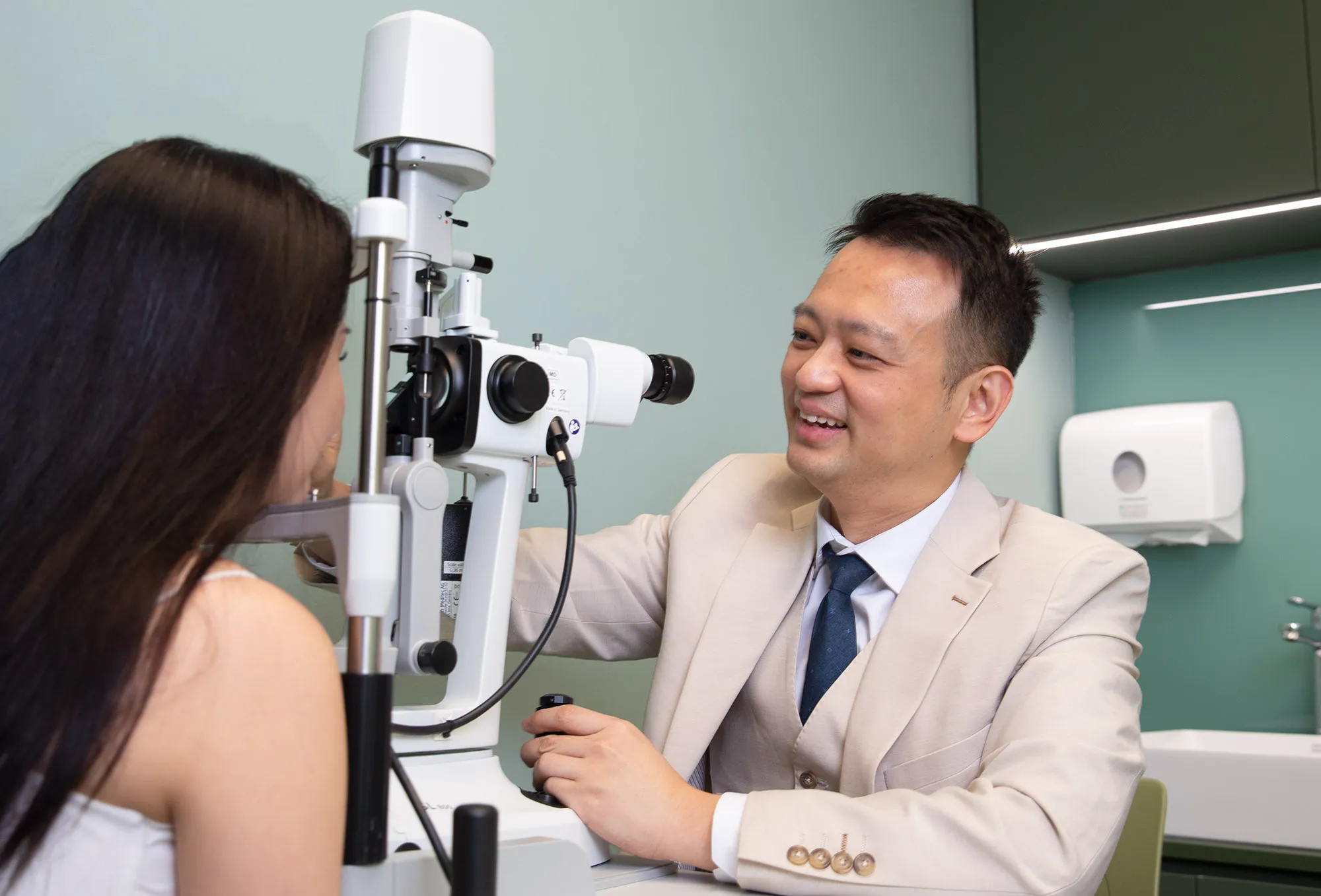
dr philemone huang examines patient

Excellence in Every Detail

Why choose us?

We prioritize your eye health with experienced specialists and modern technology, providing personalized care for each patient.

Understand your vision

Common Eye Conditions We Treat

Blurry vision, persistent dryness, or sudden changes in your sight can be unsettling. Explore the most common conditions we diagnose at OneVision, and discover how our specialists can help you protect and restore your eye health.

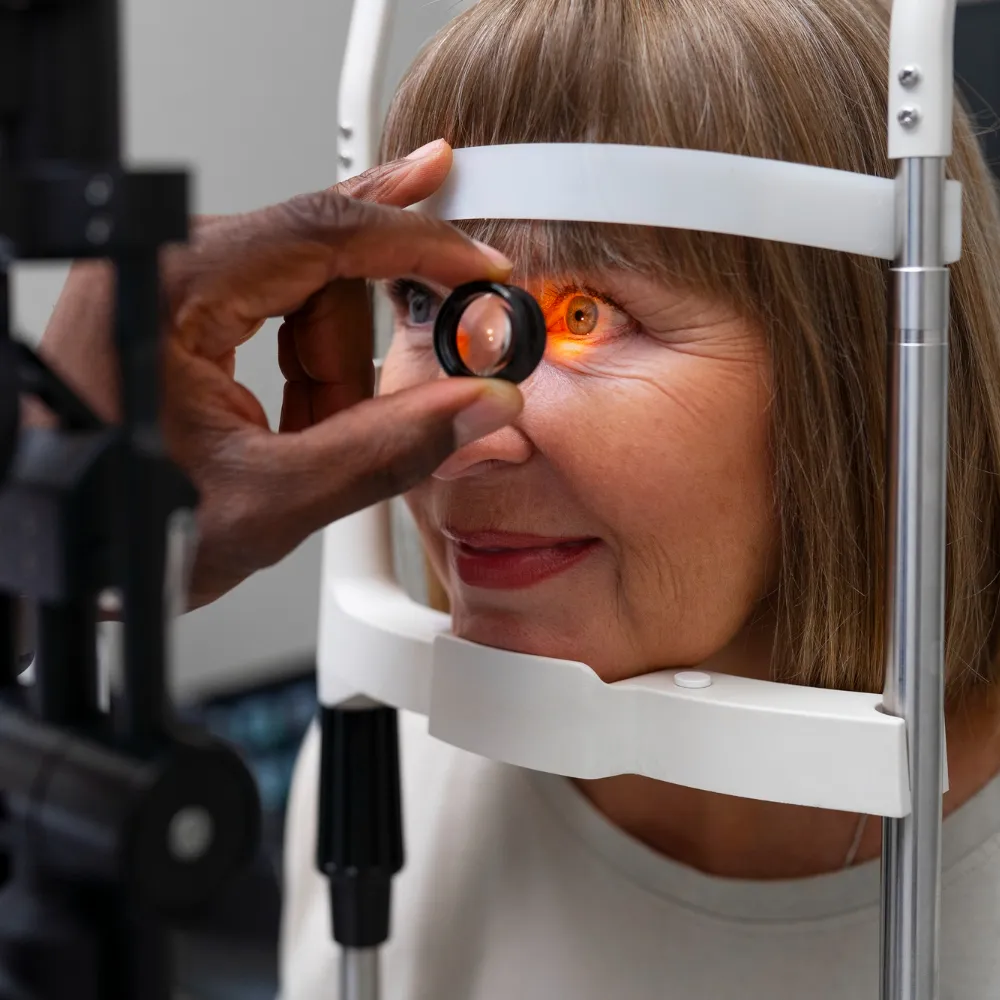
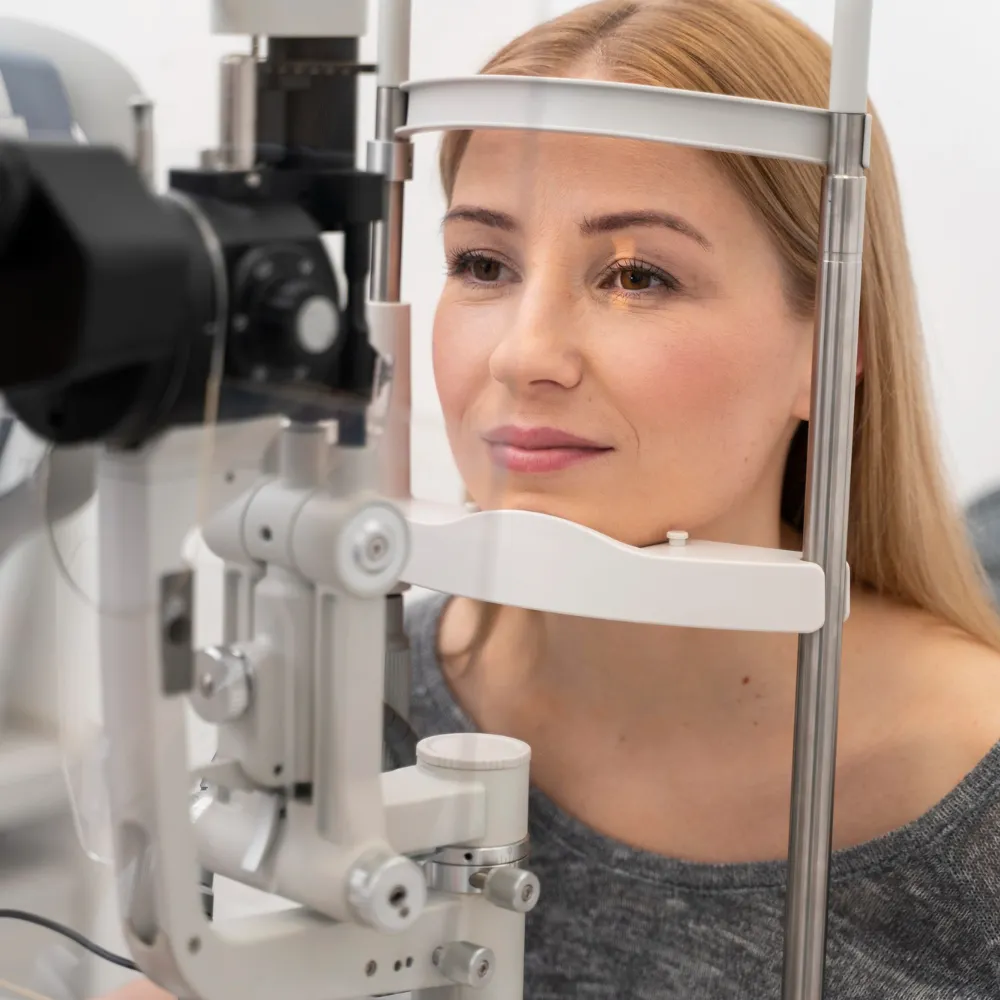
Woman eye exam

Myopia

  • Myopia is when distant objects look blurry, but you can see clearly up close.

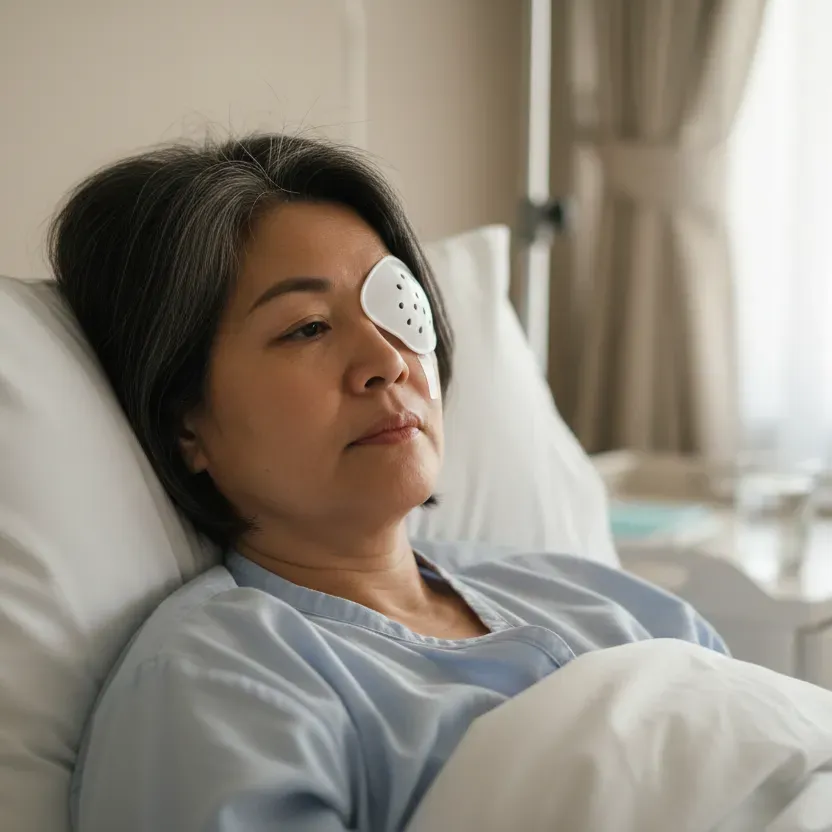
Woman recovering with eye patch on a hospital bed

Cataract

  • A cataract is clouding of the eye’s natural lens, causing blurred or dim vision.
A middle-aged Asian man squinting and lifting his glasses to read a menu held at a distance, demonstrating common signs of presbyopia or age-related farsightedness.

Presbyopia

  • Presbyopia (老花眼) is age‑related difficulty focusing on near objects
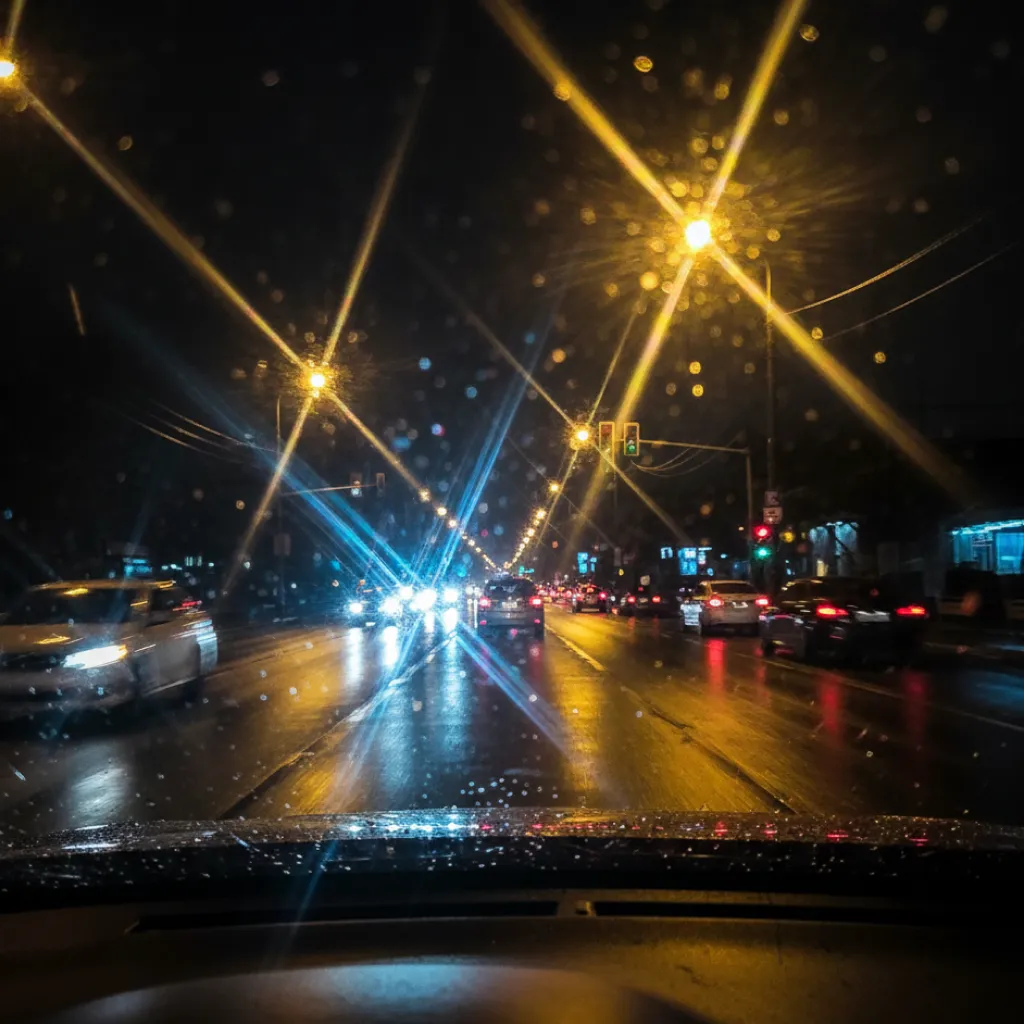
Night driving on a wet city street, viewed through a rain-streaked windshield. Intense starburst glare from yellow streetlights and headlights reflects off the asphalt.

Astigmatism

  • Astigmatism is a focusing problem where the eye’s surface is not perfectly round, causing blurred or distorted vision at all distances.
An Asian woman squinting and holding her glasses up to her forehead while struggling to read an open notebook, illustrating symptoms of hyperopia (farsightedness).

Hyperopia

  • Hyperopia is when near objects look blurry, while distant objects are usually clearer.
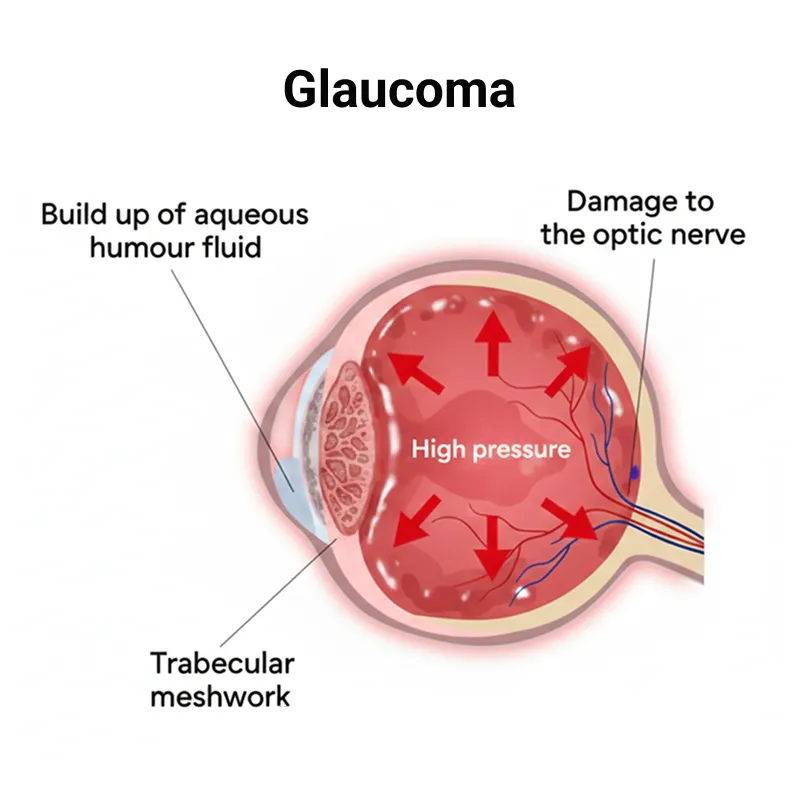
Glaucoma eye pressure damage

Glaucoma

  • Glaucoma is a group of eye diseases that damage the optic nerve, often from high eye pressure, and can lead to permanent vision loss.
Smiling young boy wearing a black shirt, adjusting round glasses with both hands against a grey background.

Paediatric Myopia

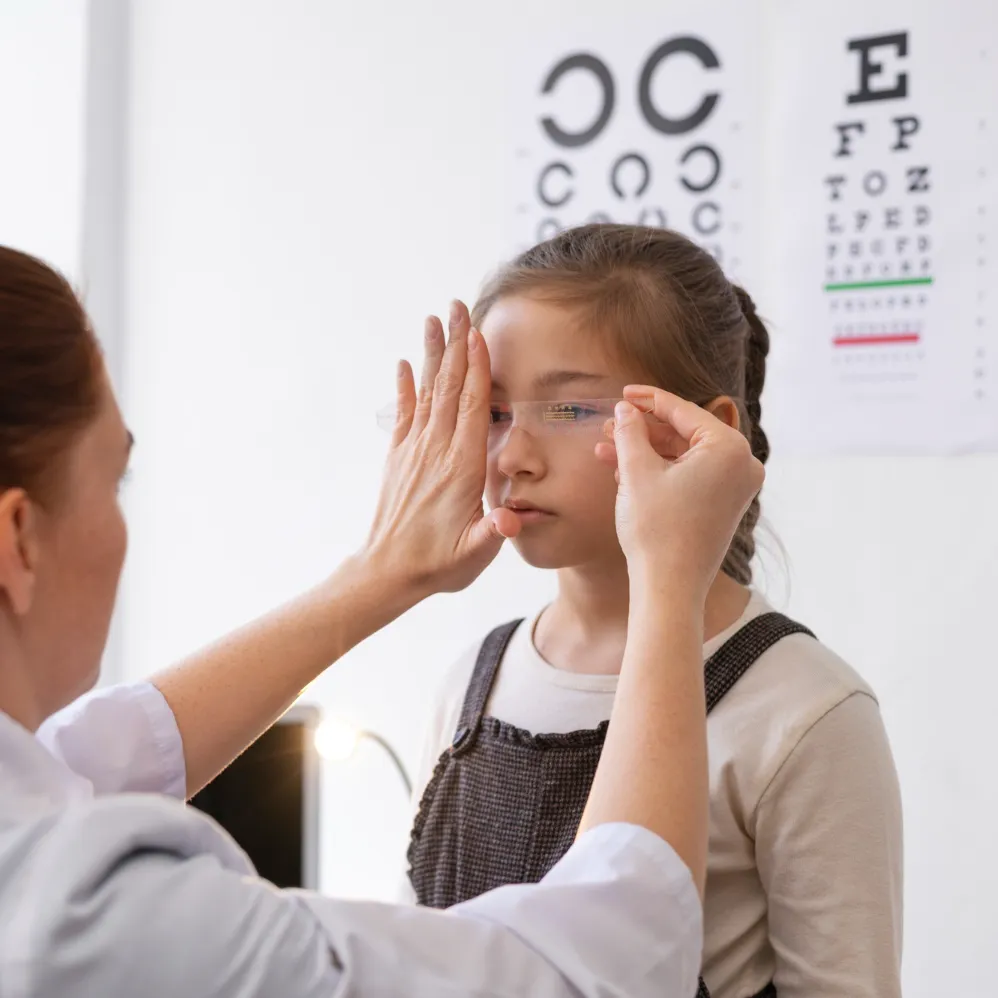
  • Paediatric myopia is nearsightedness in children, where far objects look blurry but near objects are clear.
Child eye exam at clinic

Paediatric Astigmatism

  • Paediatric astigmatism is a focusing problem in children caused by an uneven eye surface, making vision blurry or distorted at all distances.
Joyful child wearing a decorative eye patch swings and smiles brightly at a sunny playground.

Paediatric Amblyopia (Lazy Eye)

  • Paediatric amblyopia (“lazy eye”) occurs when the brain favours one eye, reducing vision development in the other during childhood. It’s the most common cause of vision impairment in children and responds best to treatment before age 7-8.
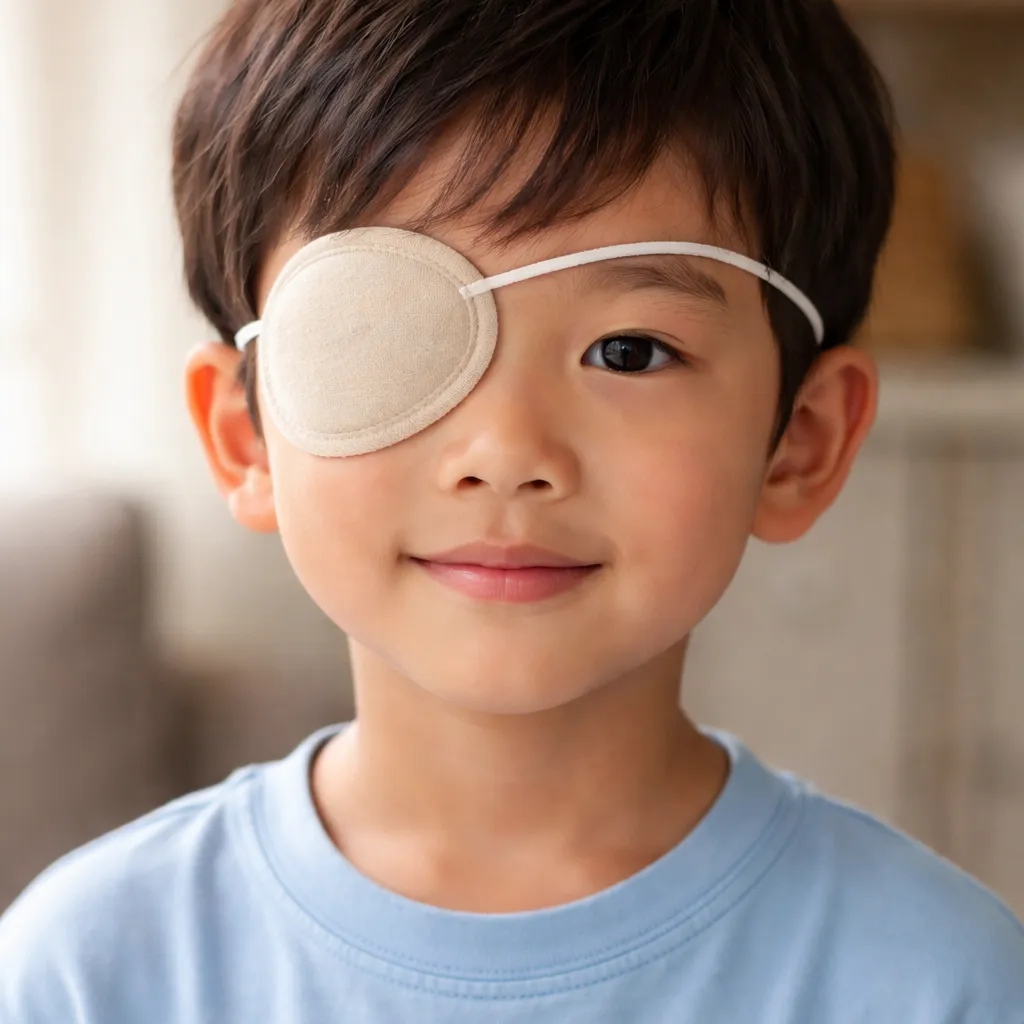
Boy with blue shirt wearing eye patch

Paediatric Strabimus (Squinting eye)

  • Paediatric strabismus is when a child’s eyes are not straight and can point in different directions, which may cause double vision or a “lazy eye”.
retina issues, floaters or visible dusts against a blue sky

Retina Issues: Floaters

  • Floaters are small spots or cobweb‑like shapes that drift across your vision, caused by tiny clumps in the eye’s gel casting shadows on the retina.
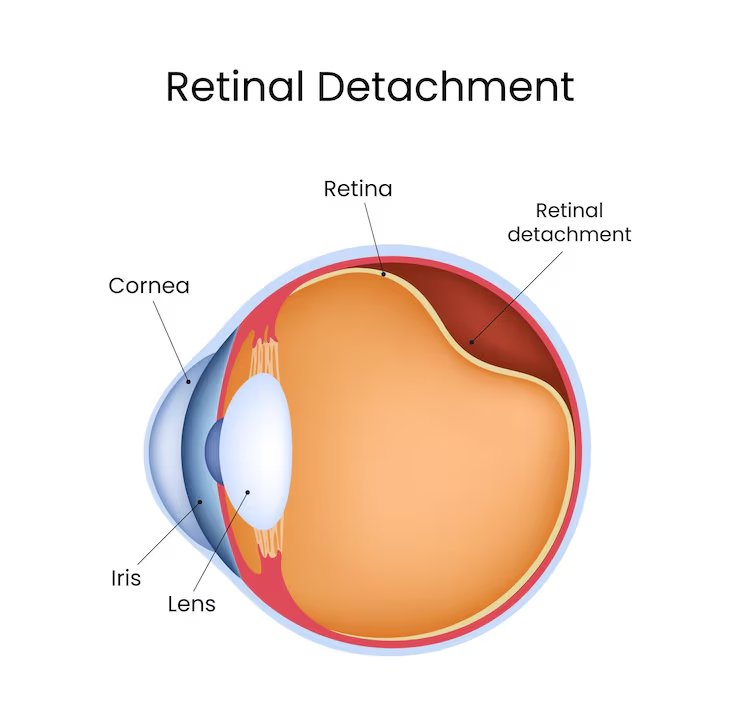
retinal detachment illustration eye anatomy medical condition

Retina Breaks, Tears and Detachment

  • Retinal breaks, tears, and detachment are serious issues where small cracks or rips in the retina can worsen, allowing fluid to seep underneath and pull the retina away from the eye wall, causing sudden flashes, floaters, or vision loss—a medical emergency.
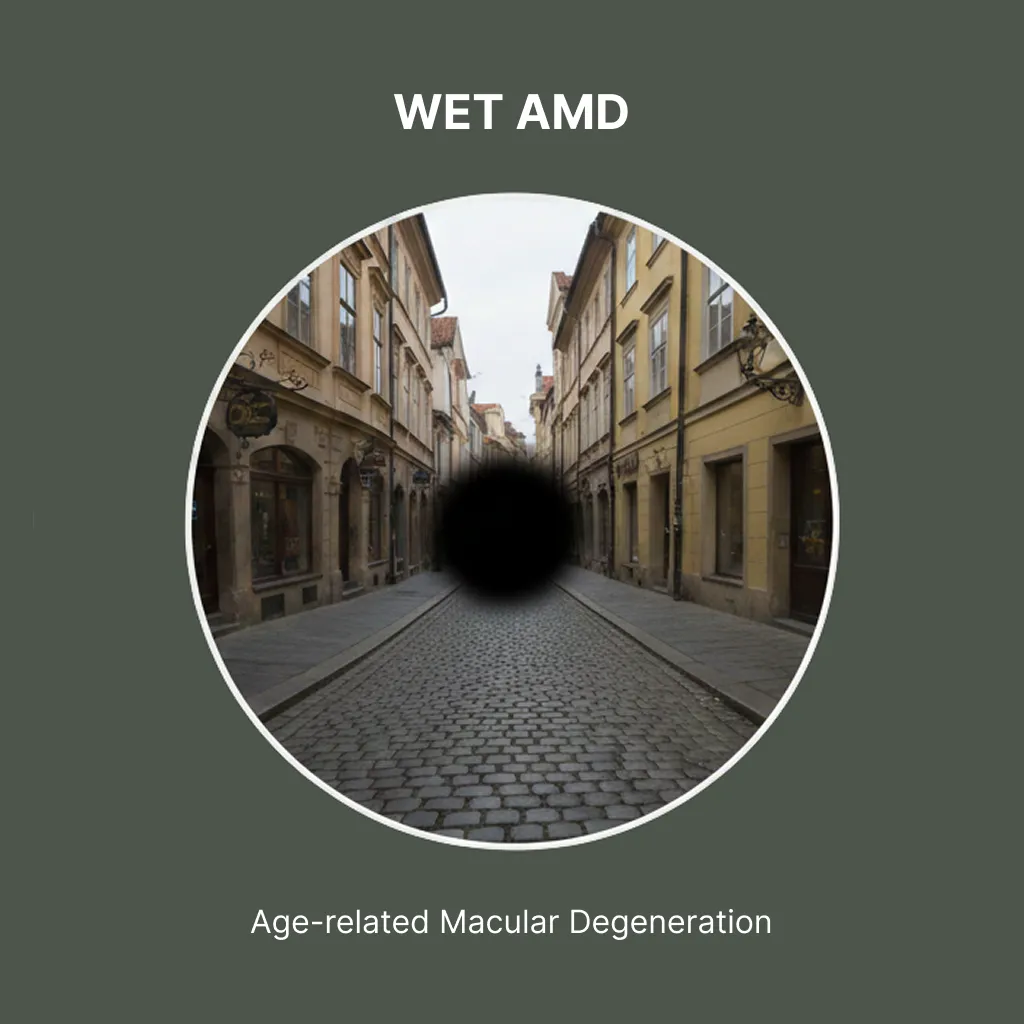
A circular view of a cobblestone street flanked by buildings, featuring a large, dark spot in the center to represent central vision loss from wet Age-related Macular Degeneration (AMD).

Age-Related Macular Degeneration

  • AMD is a disease of the central retina (macula) that damages sharp, central vision needed for reading and recognising faces in older adults.
Eye exam with ophthalmoscope

Diabetic Retinopathy

  • Diabetic retinopathy is damage to the retina’s small blood vessels caused by diabetes, which can lead to blurred vision and blindness if untreated.
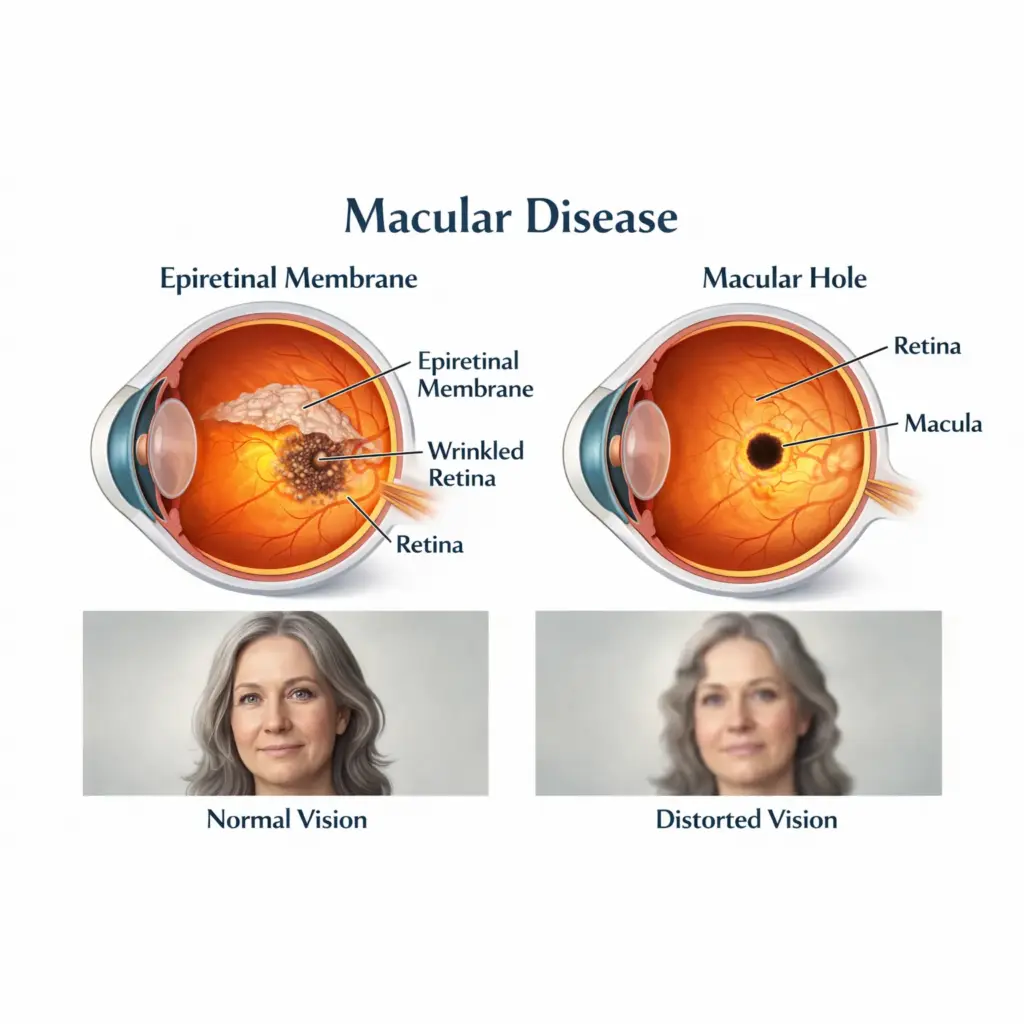
medical infographic of macular disease

Macular disease (Epiretinal membrane, Macular hole)

  • Macular diseases affect the centre of the retina, causing distorted, blurred, or missing central vision.
Woman in a lavender sweater rubs her irritated eye while holding her eyeglasses, showing signs of eye strain, fatigue, or dry eyes.

Dry and Itchy Eyes

  • Dry and itchy eyes happen when the eyes do not have enough quality tears, causing burning, grittiness, or irritation.
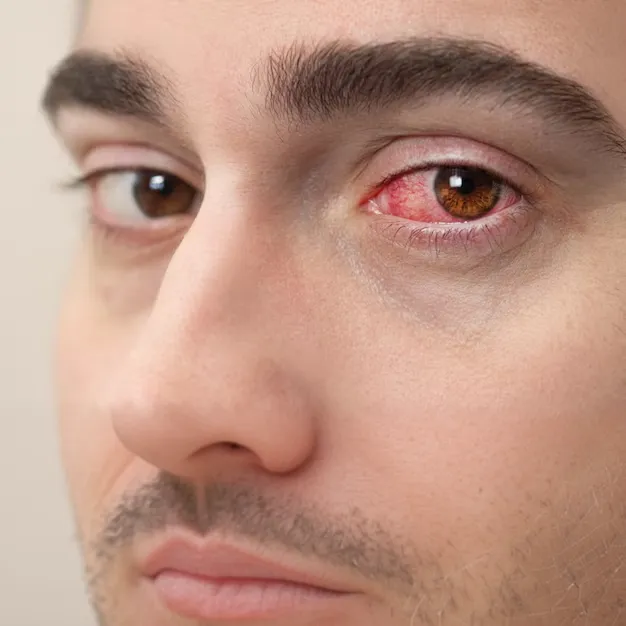
Red, irritated eye closeup

Conjunctivitis

  • Conjunctivitis, or pink eye, is the inflammation of the clear membrane lining the eyelid and eye
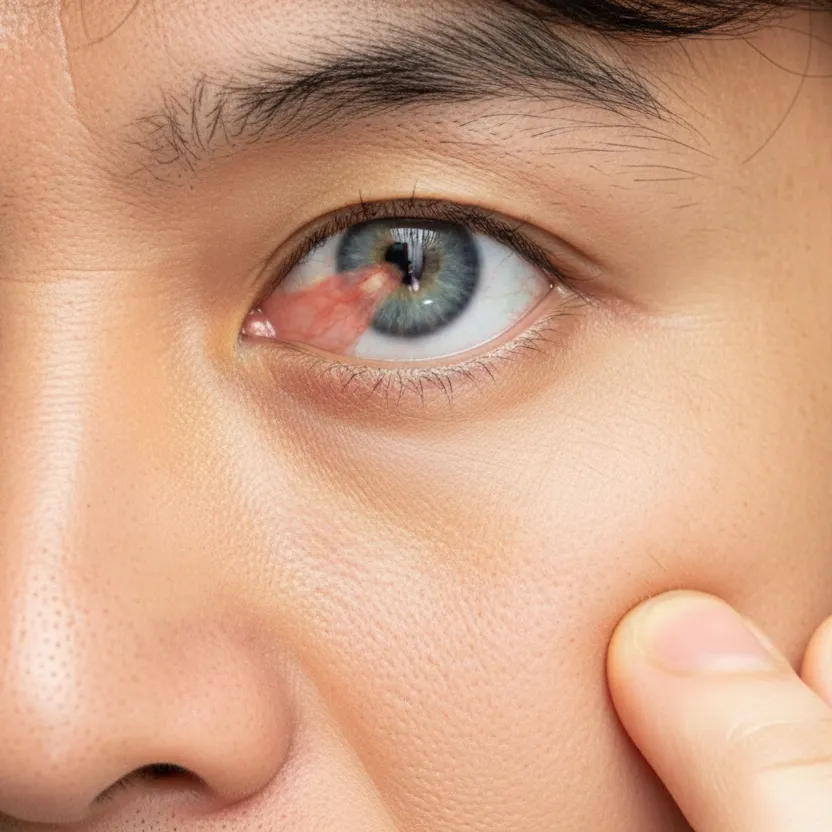
Close-up of eye with pterygium

Pterygium: Cornea growth

  • A pterygium is a non‑cancerous, wing‑shaped tissue growth on the white of the eye that can extend onto the clear cornea.
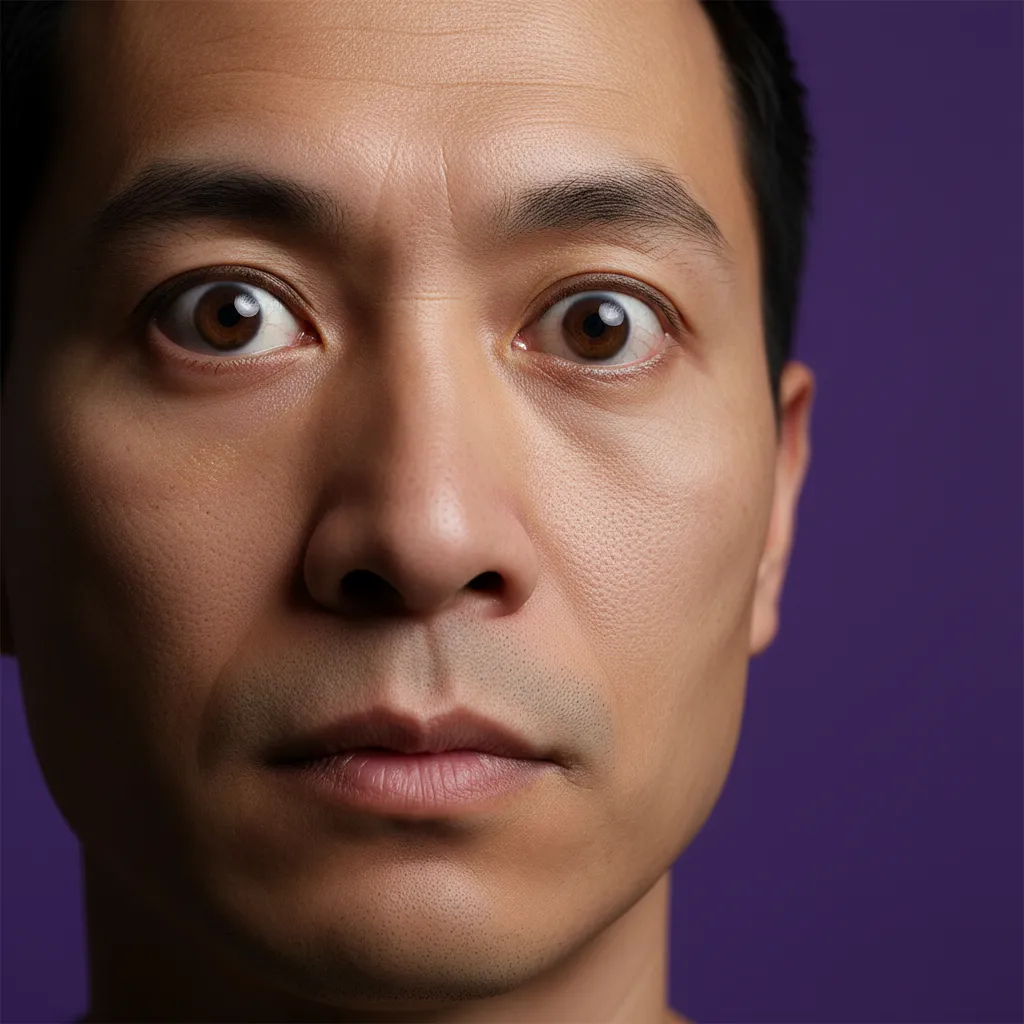
Close-up portrait of an Asian man with wide, bulging eyes against a purple background.

Thyroid Eye Disease

  • Thyroid eye disease is an autoimmune condition linked to thyroid problems that causes bulging eyes, lid retraction, redness, and double vision.
women wiping her tears with a tissue

Tearing disorder (Nasolacrimal duct obstruction)

  • This is a blockage in the tear drainage system that causes watery eyes and sometimes discharge or infection.
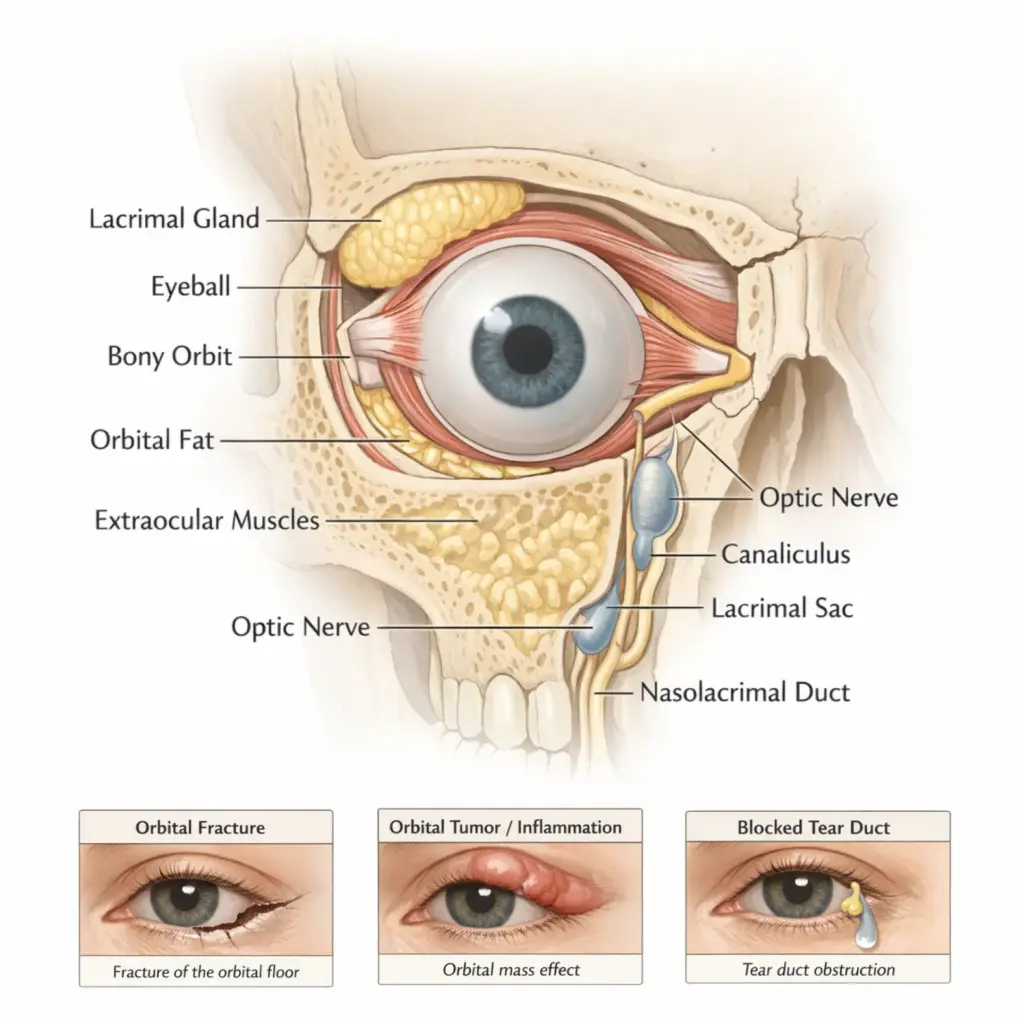
Labeled diagram of the eye orbit anatomy (muscles, optic nerve, lacrimal system) shown alongside three common orbital pathologies: fracture, tumor, and blocked tear duct.

Orbit, lacrimal and socket issues

  • These are conditions affecting the eye socket, tear glands and ducts, or the socket after eye removal, which can change eye position, comfort, or appearance.
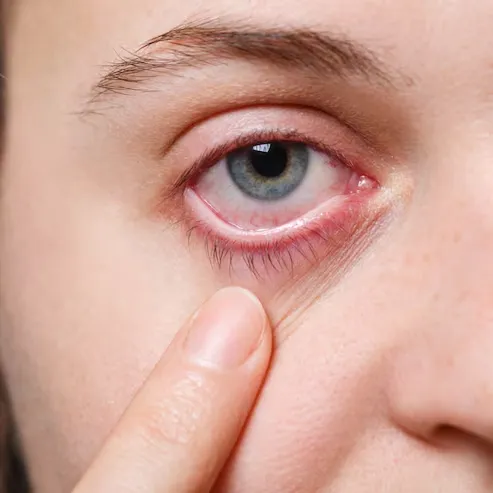
Red, irritated eye close-up

Eyelid Disorders

  • Eyelid disorders include problems such as droopy lids, in-turned or out-turned lids, and eyelid lumps that can affect comfort and vision.
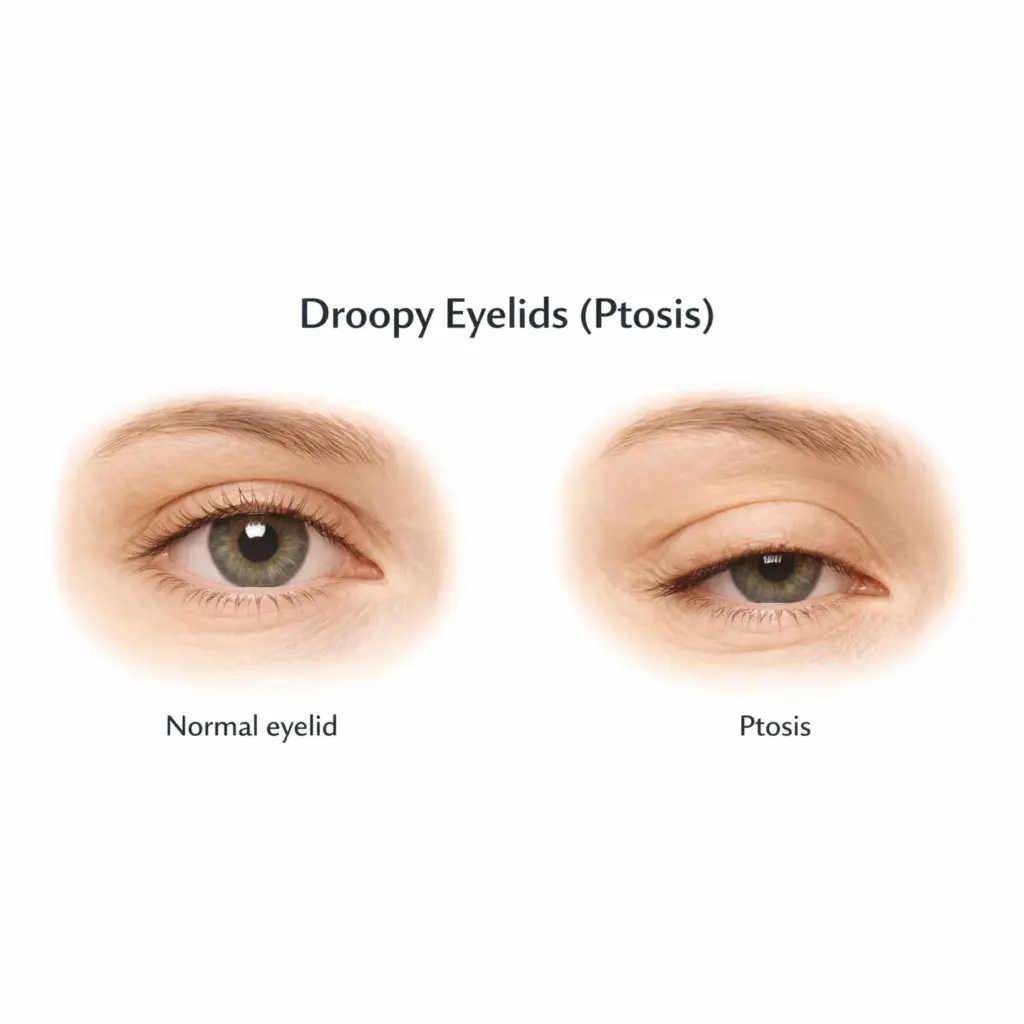
Droopy eyelid ptosis comparison

Droopy Eyelids (Ptosis)

  • Droopy eyelids (ptosis) cause the upper eyelid to sag, sometimes covering part of the pupil and affecting vision or appearance.
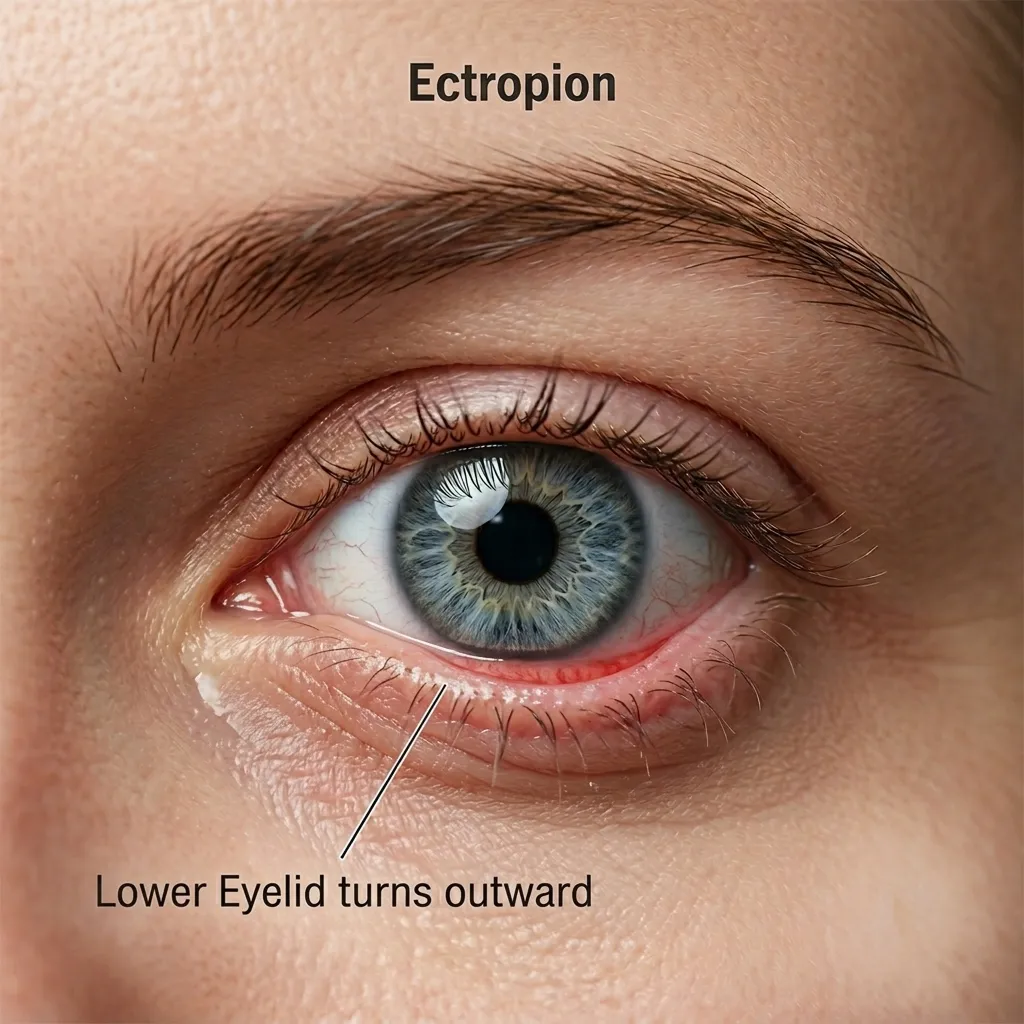
close up image of floppy eyelids (ectropion)

Floppy Eyelids (Ectropion)

  • Floppy eyelids (ectropion) occur when the lower eyelid turns outward, exposing the eye and leading to dryness, irritation, or tearing.
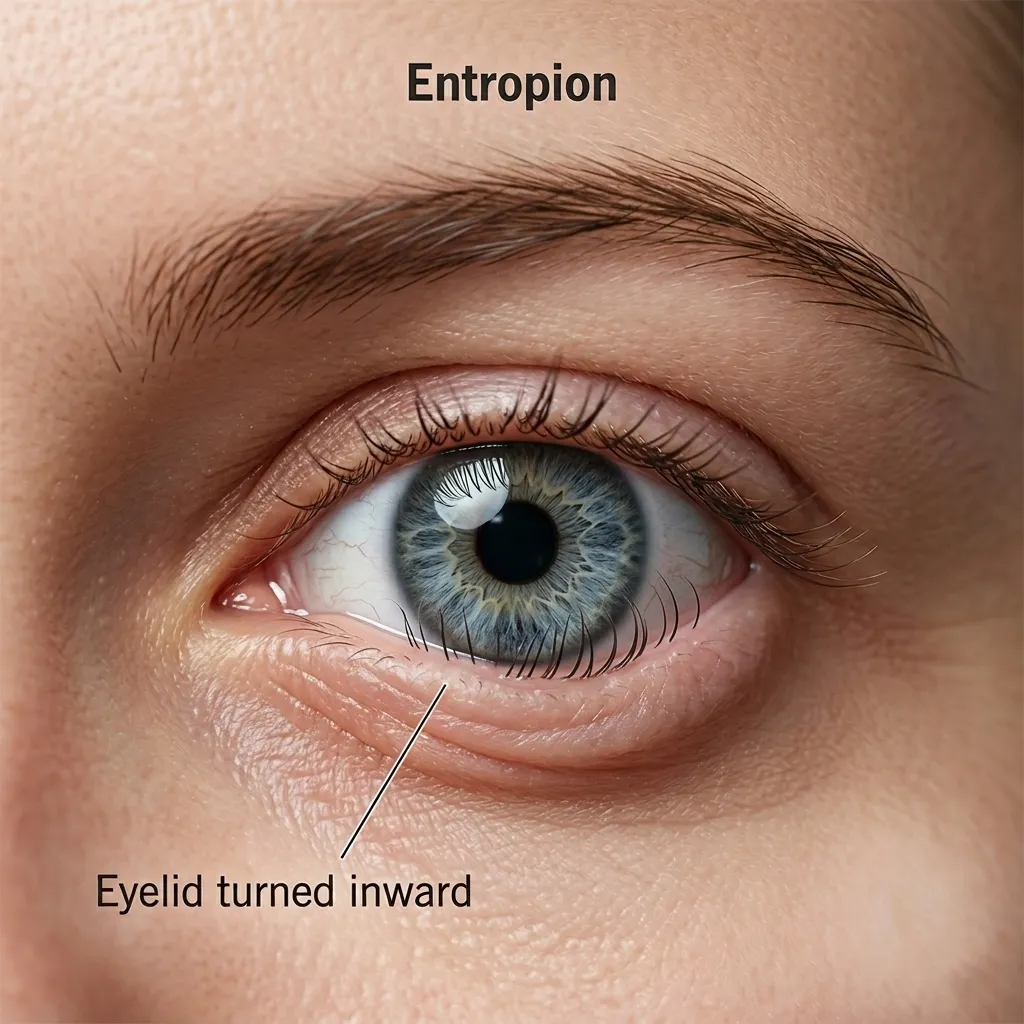
close up image of in turning eyelids (entropion)

In-turning Eyelids (Entropion)

  • In-turning eyelids (entropion) happen when the eyelid turns inward, rubbing lashes against the cornea and causing pain, redness, or scratches.
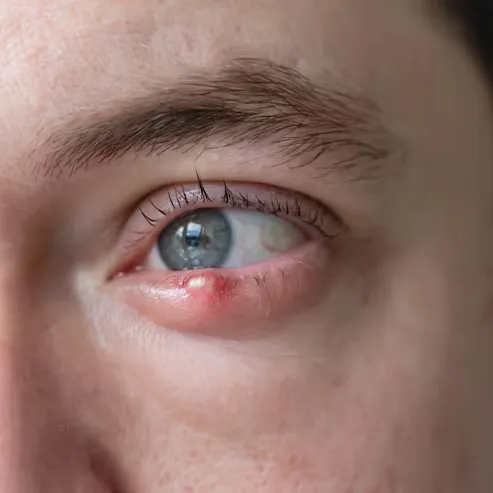
Eye stye close-up

Eyelid Lumps & Tumors

  • Eyelid lumps & tumors are benign or cancerous growths on the eyelid, such as chalazia, styes, or basal cell carcinoma, which may cause swelling, lumps, or vision issues.
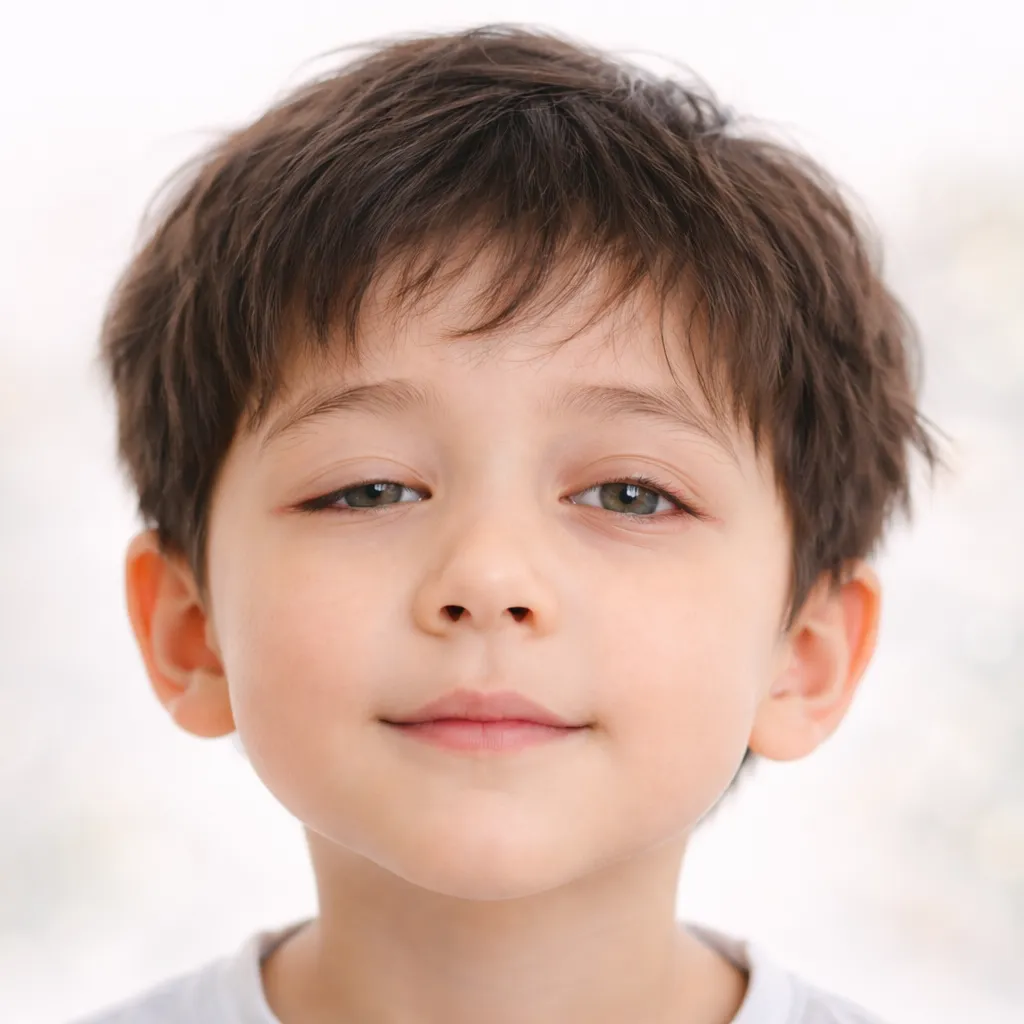
Young boy with dark hair

Paediatric Eyelid Disorders

  • Paediatric eyelid disorders involve droopy lids, lumps, or misaligned eyelids in children, potentially affecting vision development or causing amblyopia if untreated.
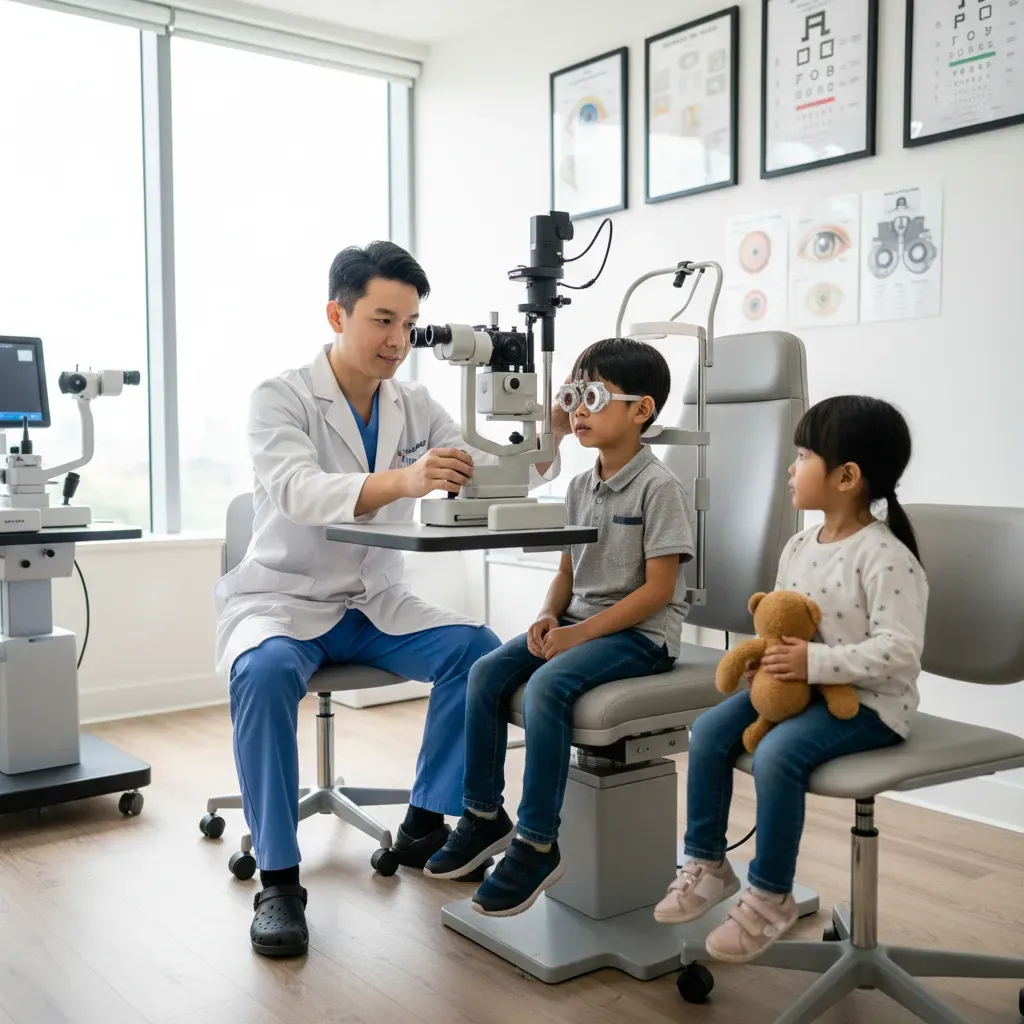
Ophthalmologist conducting an eye exam on a young boy using a slit lamp, while a girl holding a teddy bear sits nearby in a clinic.

Children’s Eye Health

  • Children’s eye health encompasses screening and care for kids’ vision issues like refractive errors, lazy eye, or squints to ensure proper development.

Meet the Consultants

Specialists in Every Aspect of Eye Care.

From complex retinal conditions to advanced laser vision correction, our board-certified ophthalmologists bring decades of combined sub-specialty experience to your treatment. Select a specialist below to view their full clinical profile, medical credentials, and specific areas of expertise.

What to expect at the first consultation

Your Clear Path to Better Vision.

We guide you through each step with care and clear communication

  • Comprehensive Scan

    Non-invasive advanced diagnostics.

  • Specialist Consult

    Direct discussion with your Senior Consultant.

  • Tailored Plan

    Detailed options. Transparent pricing. Clear communication.

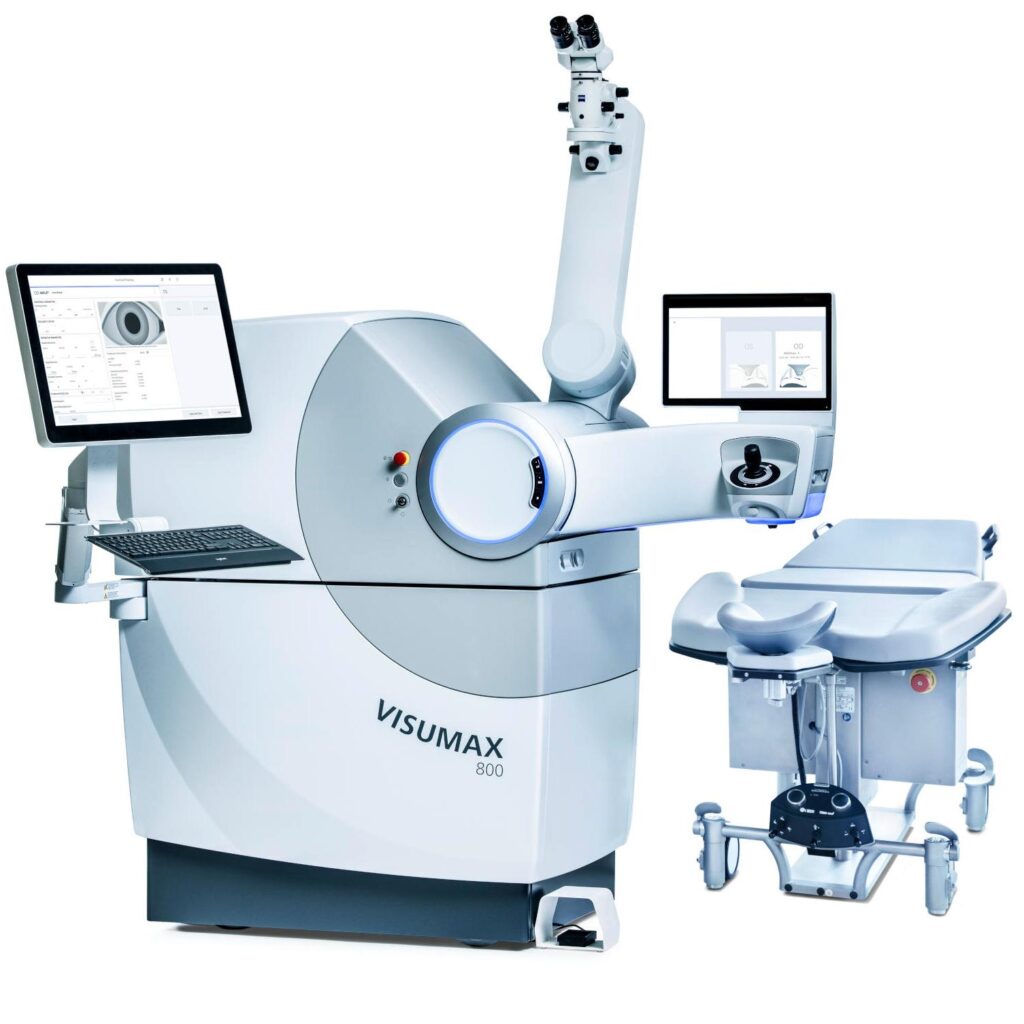
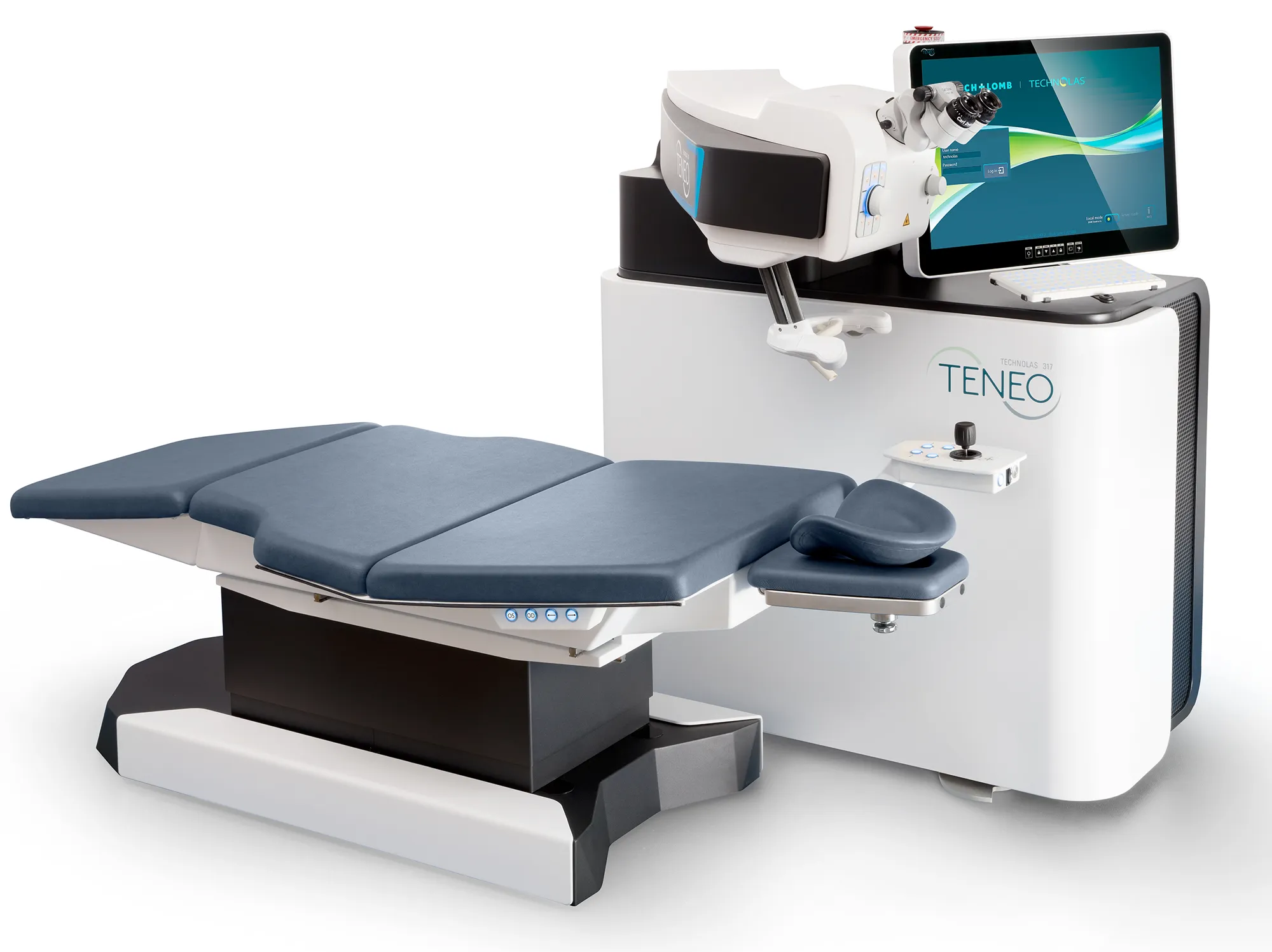
Advanced Technology for Accurate Eye Care

Precision in Every Detail

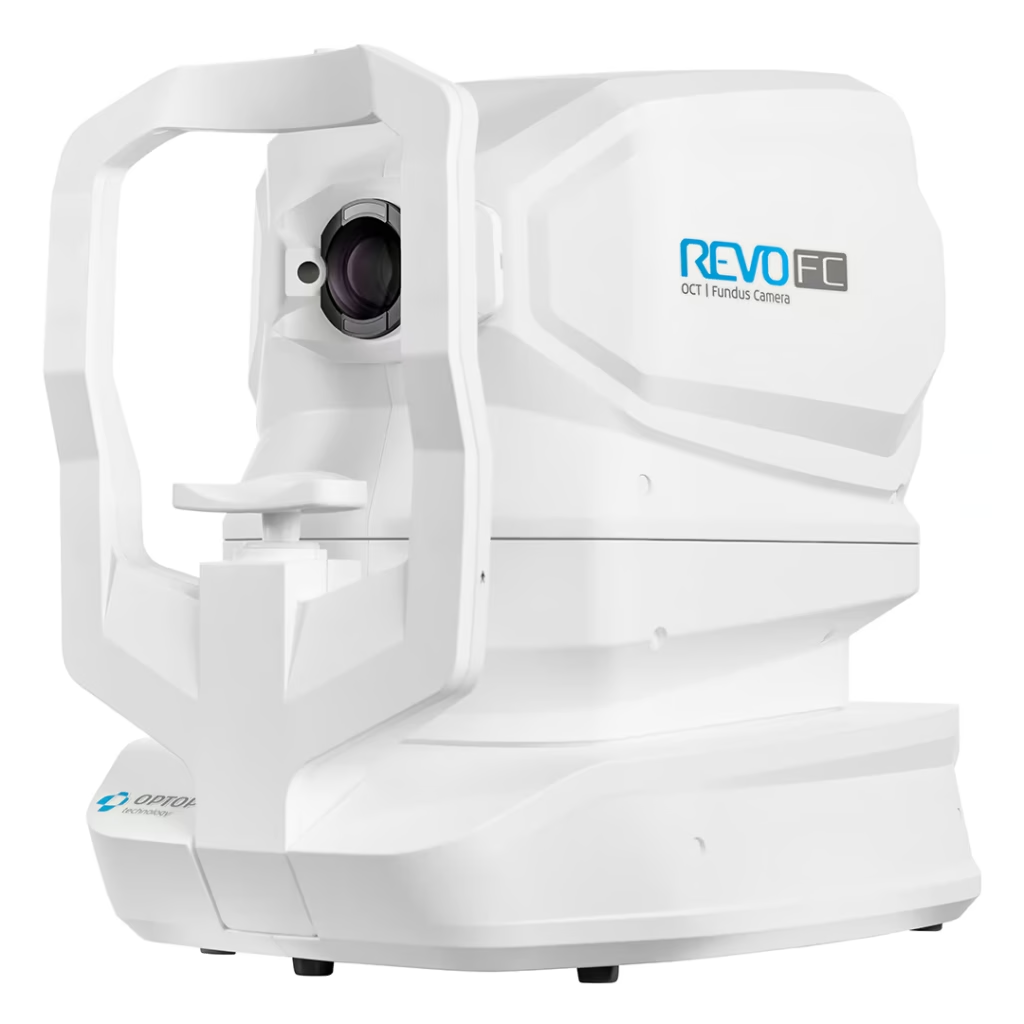
We use advanced technology to provide accurate diagnoses and effective treatments, ensuring high-quality care for a wide range of eye conditions.
Financial peace of mind

We assure you peace of mind, financially

We facilitate direct settlement with MediSave and the insurers, and offer flexible payment options.


Common questions

Clarity Before You Commit

You have questions about safety, recovery, and costs. We have transparent answers. Select a topic below.

We provide personalised vision correction after eye assessment. Options include OneLaser™ TransPRK, Zeiss SMILE Pro, and non-laser lens implant surgery such as Phakic IOL (ICL).
Suitability depends on your prescription, corneal condition, and eye health.

OneLaser™ TransPRK is a no-cut, no-flap laser procedure that reshapes the cornea to correct myopia, hyperopia, and astigmatism.
The treatment is guided by laser tracking technology for precision and may be suitable for patients with thin corneas or high prescriptions after evaluation.

Zeiss SMILE Pro corrects vision through a small corneal incision without creating a large flap.
This approach helps preserve corneal strength and may support faster functional recovery for some patients.

Suitability is determined through a detailed eye examination and clinical assessment. Your eye specialist will review your prescription, corneal thickness, and eye health before advising on the appropriate option.

Cataract surgery involves removing the cloudy lens of the eye and replacing it with an artificial lens. This procedure restores clear vision and is typically performed on an outpatient basis.

Cataract surgery is considered when cataracts interfere with daily activities like reading, driving, or seeing clearly at night. Your eye doctor will assess the severity of the cataract and recommend surgery when necessary.

Cataract surgery is minimally invasive and typically performed under local anesthesia. Patients may experience mild discomfort during recovery, but the procedure itself is not painful.

Most patients notice improved vision within a day or two of surgery. Full recovery usually takes a few weeks, and follow-up visits are necessary to monitor healing and vision improvement.

Yes, we accept various company insurance panels. Please contact us to verify if your insurance provider is on our list of accepted providers.

Laser Vision Correction is currently not eligible for Medisave claims in Singapore. We have instalments and other payment methods available. Please check with us for eligibility and the specific claim process.

We strive to provide clear and transparent pricing for all treatments. Any additional costs will be discussed upfront before any procedure or treatment is carried out.

We offer multiple payment options, including credit/debit cards, Medisave (where applicable), and installment plans. Please speak to our staff for more details.

It is recommended that children have their first comprehensive eye exam at age 3, or earlier if there are concerns about vision or eye development. Regular check-ups should follow as they grow.

Common conditions in children include nearsightedness (myopia), farsightedness (hyperopia), astigmatism, amblyopia (lazy eye), and strabismus (crossed eyes). Early detection is crucial for effective treatment.

Signs of vision problems in children include squinting, tilting the head, frequent rubbing of the eyes, difficulty focusing on close-up objects, and trouble with reading or seeing distant objects.

Amblyopia treatment often involves patching the stronger eye to encourage the weaker eye to develop. In some cases, vision therapy or corrective lenses may also be recommended.

We are happy to answer your questions

Feel free to chat with us if you have more questions to ask us personally.
Contact us