

Laser Vision correction
Implantable Collamer Lens (ICL)
ICL surgery places a thin, customised lens inside the eye, between the iris and the natural lens, to correct short‑sightedness and astigmatism. The natural lens remains in place, and no corneal tissue is removed, making ICL an option for higher prescriptions or thinner corneas.
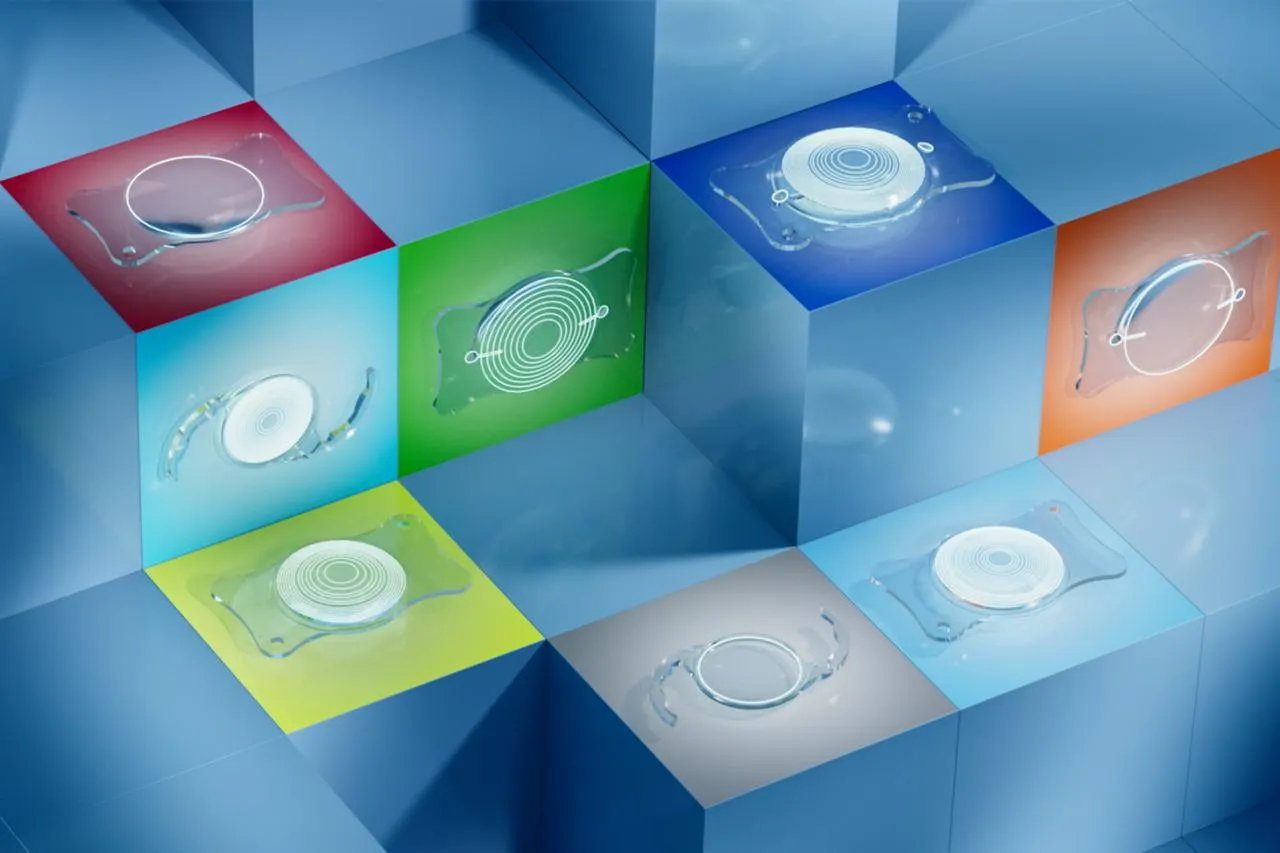
Why Choose Implantable Collamer Lens (ICL)
ICL Advantage
Designed for speed, safety and lifestyle freedom, Phakic IOL (ICL) delivers crystal-clear vision without compromising your cornea. Here’s why patients choose it.
Fast Procedure: The entire ICL implantation takes under 30 minutes per eye, with most patients enjoying sharp vision within 24 hours.
100% Reversible: Unlike laser surgery, Phakic IOL (ICL) adds a biocompatible lens that can be removed or exchanged, preserving most of your natural eye anatomy.
Superior Night Vision & Active Living: Treats high prescriptions with minimal halos/glare. Perfect for sports and active lifestyles—no flap complications or dry eye worries.

CANDIDATE CHECKLIST
Who is eligible for ICL?
- Myopia: roughly -3.00D to -16.00D (varies by eye anatomy)
- Astigmatism: up to about 4.00–6.00D depending on lens model
- Age usually 21–45 years with stable prescription (change ≤0.5D in 1 year)
- Adequate anterior chamber depth and healthy cornea/angle
- No uncontrolled glaucoma, significant cataract or retinal disease
ICL is generally considered for adults with moderate to high myopia who want to reduce dependence on glasses or contact lenses but may not be ideal candidates for laser procedures. Suitability depends on prescription range, anterior chamber depth and overall eye health, which are checked during a detailed examination.
Prescription range
General requirements
Choosing the right option for your vision
Treatment Comparison
Laser vision correction treatments vary in technique and suitability. This comparison helps you understand each option, so you can make an informed decision based on your needs and lifestyle.
| OneLaser™ TransPRK |
OneLaser™ TransPRK Plus# |
Zeiss SMILE PRO 2.0 |
Phakic IOL (ICL) |
|
|---|---|---|---|---|
| Invasiveness | Very minimal | Very minimal | Minimal | Moderate |
| Technique | All laser, no cut | All laser, no cut | Small cut | Intraocular |
| Procedure time (per eye) | 3–5 min | 3–5 min | 5–10 min | 15–20 min |
| Laser tracking during laser | Yes | Yes | No | Not applicable |
| Optimise contrast | Yes with Octavius | Yes with Octavius | Not available | Not applicable |
| Dry eye risk | Minimal | Minimal | Minimal | Very minimal |
| Visual recovery | 4–5 days | 4–5 days | 2–3 days | 1–2 days |
| Suitable for extreme sports | Yes | Yes | Generally yes, with some exclusions | Not advisable |
| Myopia range | −0.50 to −11.0D | −0.50 to −11.0D | −3.0 to −8.0D | −3.0 to −16.0D |
# OneLaser™ TransPRK Plus refers to the Presbyopia programme.
The ICL Procedure: 3 Simple Steps
WHAT TO EXPECTFrom start to finish, you will be in the surgical suite for just a few minutes. Here is exactly what happens during your painless procedure.
Preparation & Numbing
We administer numbing eye drops so you feel absolutely no pain. Your eye is gently stabilized to prevent blinking.
Lens Insertion
Small incision. Folded ICL lens gently placed behind iris (15-20 mins/eye).
Instant Results
The opening heals naturally without stitches. Most patients experience moment of clear vision a day after the procedure.
High-Definition Vision, Simplified.
Your Recovery Journey
Achieve vivid clarity through a gentle, stitch-free procedure designed for maximum comfort and a near-instant return to the things you love.
Next 24 Hours
Rest is key. Expect mild haziness and light sensitivity while your pupils adjust.
The Next Day
The "Wow" moment. Most patients drive to their check-up with clarity.
1 Week
Vision stabilizes. You are cleared for most exercise and normal daily routines.
Clarifying Your Concerns
frequently asked questions
We understand that eye surgery—especially for anxious individuals—can feel daunting. Here are honest, transparent answers to the questions we hear most often from patients and their families
ICL is a lens implanted inside the eye to help correct myopia, with or without astigmatism. It works together with your natural lens.
ICL may be suitable if you have high myopia, thin cornea, or are not suitable for laser vision correction. A full eye assessment is needed.
ICL has been widely performed worldwide. Your doctor will explain benefits and possible risks during consultation.
Vision usually improves within a few days. Most people can return to light activities soon, but follow post-treatment advice.
The procedure is done under local anaesthesia. You may feel mild pressure, but not pain. Sedation can routinely be done to provide better comfort during the procedure.
ICL is designed to stay in the eye long term, but lens exchange may be considered if medically necessary.
Yes. ICL is often considered for moderate to high myopia, especially if corneal thickness limits laser treatment.
No. Refractive vision correction procedures are generally not claimable under Medisave according to Singapore Ministry of Health guidelines.
-
ICL involves implanting a lens inside the eye.
-
OneLaser™ reshapes the cornea using surface laser technology.
-
Suitability depends on eye condition, corneal thickness, and refractive power.