
Restoring clear vision and comfort
Pterygium Treatment
Pterygium is a common eye condition where a fleshy growth develops on the white of the eye and may extend onto the cornea. Early diagnosis and appropriate treatment help relieve irritation, protect vision, and prevent progression.
Early signs that matter
Who should get checked?
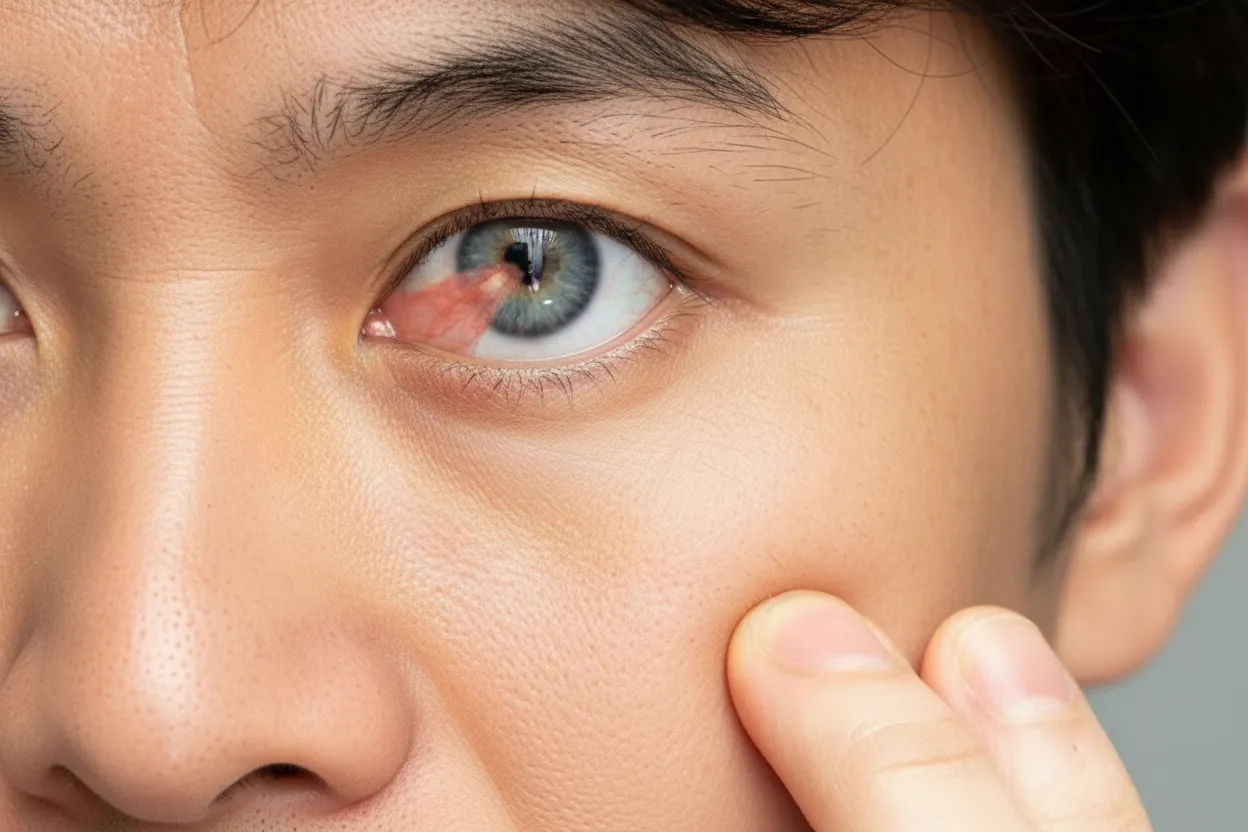
- Redness or fleshy growth on the white of your eye, usually near the nose
- Irritation, grittiness or foreign body sensation
- Blurred or distorted vision when reading/driving
- Outdoor work history or living in sunny climates
Pterygium develops gradually from UV exposure and chronic irritation. Regular monitoring catches it before vision impact.
Consider evaluation if you notice:
What is involved in Pterygium Treatment
Step-by-step care plan
Treatment matches the size and symptoms. Observation for small, asymptomatic growths; surgery for vision-threatening or uncomfortable cases.
The process:
-
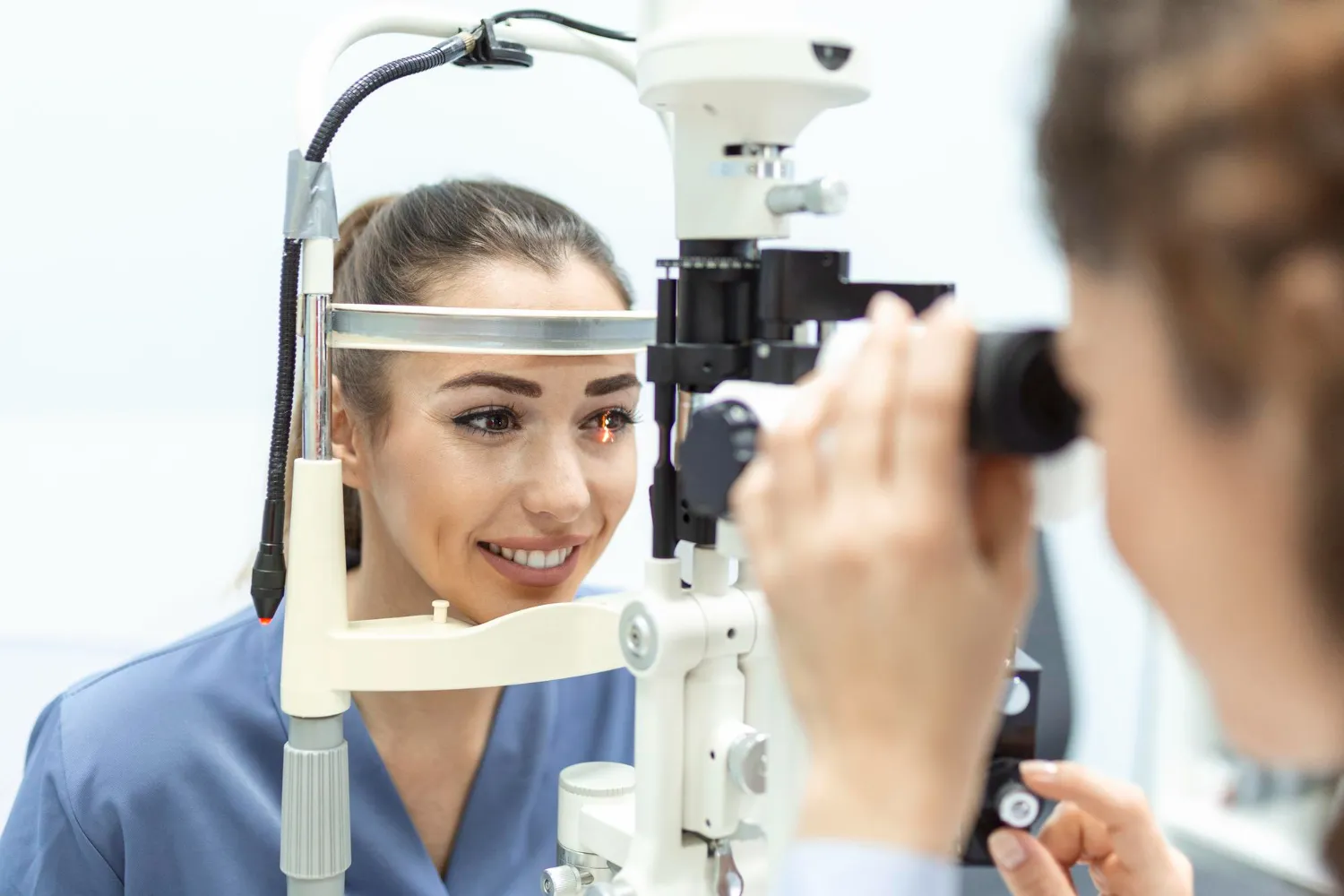
Detailed examination – Slit-lamp assessment and corneal topography
-
Personalised recommendation – Lubricants, medication or surgical planning
-
Follow-up monitoring – Prevents recurrence with UV protection
Types of Pterygium Treatment
Options for every stage
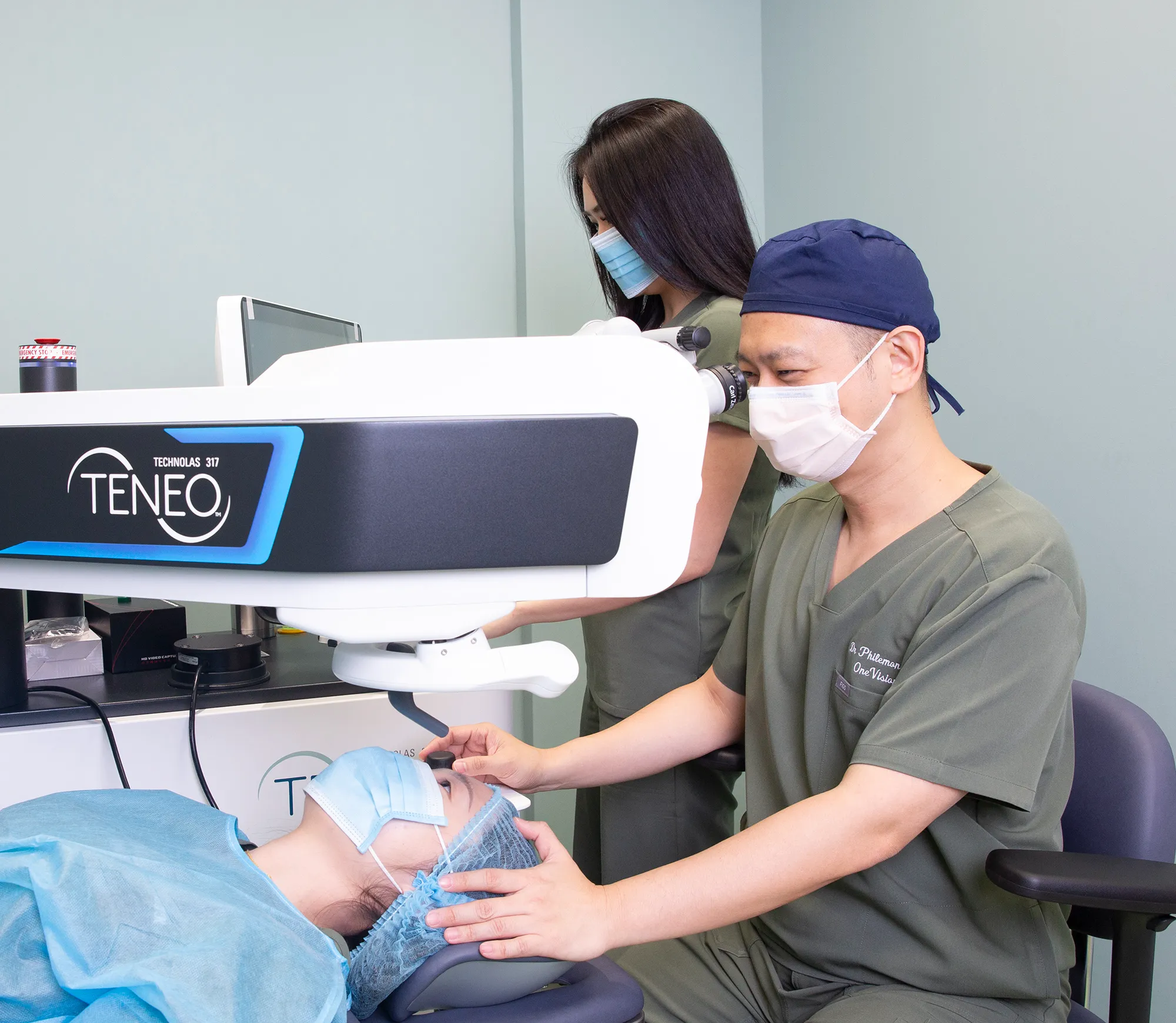
Treatment depends on the size of the pterygium, your symptoms, and whether your vision is affected. Some cases can be managed with medication, while others may require a minor surgical procedure to prevent progression.
Smooth recovery timeline
Your Path to Comfort and Recovery
Recovery depends on the type of treatment performed. Mild cases improve quickly with medication, while surgical cases may take a few weeks to fully settle. Proper aftercare helps reduce discomfort and lowers the risk of recurrence.
Immediately After Treatment
Your eye may feel mildly irritated, watery, or sensitive to light. If surgery was performed, redness and a scratchy sensation are common in the first few days.
The First Few Days to Weeks
Discomfort gradually improves with prescribed eye drops. Vision may fluctuate slightly as the surface of the eye settles and heals.
Full Recovery and Stabilisation
The eye surface continues to smooth out over several weeks. Follow-up visits ensure proper healing and help reduce the risk of recurrence.
Patient voices
4.9 Stars on Google.
Real stories from the thousands of patients who have trusted us with their sight.
“Dr Huang literally saved my eyesight. After 3 doctors misdiagnosed my severe eye infection in Bali and things were getting worse, I booked a flight to Singapore and set an appointment with Dr Huang. Within 5 minutes of sitting down, he already correctly diagnosed my rare condition and began laying out my treatment plan.”

“One of the best decisions I’ve made! Dr Phi answered all my doubts and worries, and made sure that I’m assured on the procedure process and kindly explain to me every step that is he doing during the procedure itself, which is something I’m so appreciative for!”

“I’d like to thank Dr. Huang for being such a wonderful doctor through my process of getting perfect vision. He was so assuring and put me at ease throughout every step of the way, and conducted my procedure with utmost professionalism and expertise. Post-surgery care was also very well conducted; any concerns I had were addressed and allayed. Thank you so much for the great experience amidst what was initially a scary thing for me.”

I recently had TransPRK procedure done by Dr. Philemon and couldn’t have asked for a better experience. From the very first consultation, he took the time to explain every step in detail, making sure I understood what to expect. He’s very thorough and meticulous. You can tell he cares about his patients and takes pride in doing everything perfectly.
What stood out most was how genuine and attentive he is. He checked in with me before and after the procedure, made sure all my questions were answered, and went above and beyond to make sure I felt cared for.
It’s rare to find someone who’s both exceptionally professional and sincerely compassionate. I sincerely recommend Dr. Philemon to anyone considering refractive surgery.

I’m incredibly grateful to Dr Philemon Huang for the outstanding care and results he delivered. I underwent IOL implant surgery with Dr Huang, and it completely transformed my vision—from being unable to see without glasses to achieving 20/20 vision after surgery.
Dr Huang was clear, professional, and thorough in his recommendations, explaining why LASIK wasn’t suitable for me and why the IOL approach was the best option. His expertise and confidence made the entire process feel reassuring, and the results speak for themselves.
Thank you, Dr Philemon Huang, for your exceptional skill and care. I couldn’t be happier with the outcome.

Clarifying Your Concerns
frequently asked questions
We understand that eye surgery—especially for seniors—can feel daunting. Here are honest, transparent answers to the questions we hear most often from patients and their families
A pterygium is a benign growth of tissue on the white part of the eye that can extend onto the cornea. It is often related to long-term sun, wind, or dust exposure.
Not always. Small, stable pterygia that do not affect vision may simply be monitored. Treatment is recommended if symptoms develop or vision is affected.
Mild cases are managed with lubricating eye drops to reduce irritation. If the growth becomes inflamed, short-term medicated drops may be prescribed. Surgery is considered if it threatens vision or causes significant discomfort.
Surgery may be recommended if the pterygium grows toward the centre of the cornea, causes blurred vision, induces significant astigmatism, or results in persistent redness and irritation.
Pterygium removal is a commonly performed day procedure. Techniques such as conjunctival grafting help reduce recurrence risk. As with all surgery, risks will be discussed beforehand.
Recurrence is possible, particularly without proper UV protection. Modern surgical techniques significantly reduce recurrence rates.
Wearing UV-protective sunglasses, using lubricating drops in dry environments, and protecting your eyes from wind and dust can help reduce irritation and progression.
Modern pterygium surgery uses a conjunctival autograft secured with fibrin glue or autologous blood instead of traditional stitches. This “sutureless” approach is the 2026 gold standard as it eliminates the “gritty” sensation of sutures, lowers the recurrence rate to below 5%, and allows the eye to look white and natural much faster.