
A blurry patch in your vision. Eyes that feel dry and uncomfortable after another long day at your desk. A child who suddenly starts squinting at the television.
Eye problems have a way of appearing when you least expect them. And if you are living or working in Singapore with international health insurance, the next question is usually a practical one: can I use my policy to see a specialist?
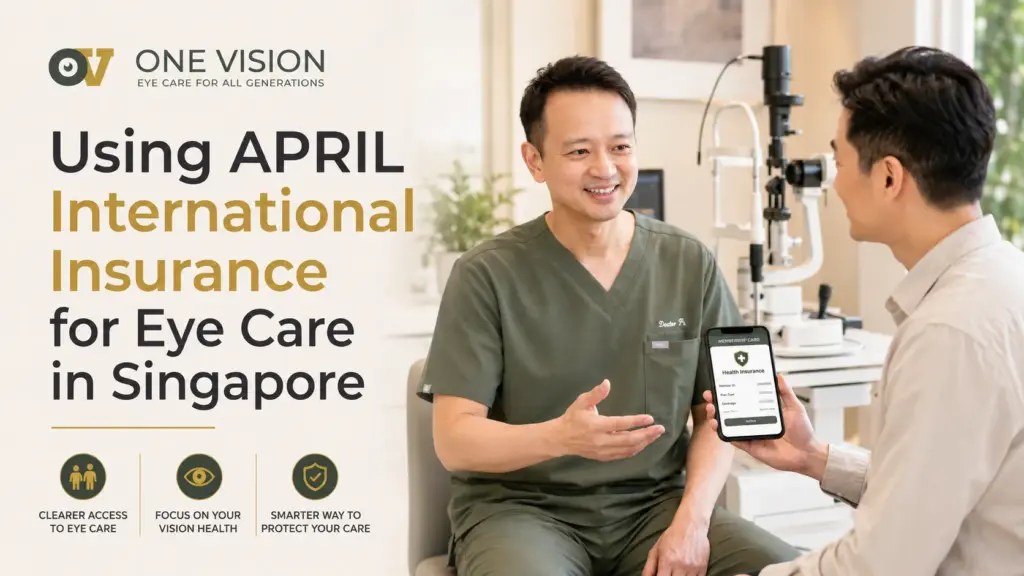
For APRIL International members, there is now another option. OneVision Eye Specialist & LASIK Centre, located at Mount Elizabeth Medical Centre, has joined the APRIL International network.
Here is what that could mean for your next eye appointment.

First, check what your policy actually includes
Not every APRIL International policy works the same way. Some plans include outpatient specialist consultations, while others concentrate mainly on hospitalisation. Corporate policies may also differ from individual or family plans.
That distinction matters. If you book an eye examination without outpatient benefits, you may discover that the consultation is not covered even though a medically necessary surgical procedure would have been.
The simplest place to start is your benefits schedule. Check whether your policy includes specialist consultations, outpatient treatment and any requirements for referrals or prior approval.
You can also contact OneVision before booking. Our team can help you understand which documents and membership details you will need.

When should you see an eye specialist?
Some eye problems are easy to dismiss. Persistent dryness might seem like a normal consequence of air-conditioning and screen time. Blurred vision might feel like an overdue change of glasses. But symptoms that linger, worsen or appear suddenly deserve closer attention.
An ophthalmologist can assess concerns such as red or irritated eyes, changing vision, cataracts, glaucoma and retinal conditions. Children can also be evaluated for issues including myopia, squint and lazy eye.
Certain symptoms should not wait. A sudden shower of floaters, flashes of light, a dark curtain across your vision or an abrupt loss of sight may indicate a serious problem and should be assessed urgently.
Whether the consultation and investigations are covered will depend on your policy and the reason for your visit.

Cataract surgery: is it covered?
Cataracts develop when the eye’s natural lens becomes cloudy. People often notice glare when driving at night, colours looking less vivid, or vision that remains hazy even after changing their spectacles.
If a cataract begins to interfere with everyday activities, surgery may be recommended.
For insurance purposes, cataract surgery is different from elective vision correction. When considered medically necessary, it may fall under hospitalisation, day surgery or surgical benefits.
That does not mean every related expense is automatically covered. Your plan may include deductibles or co-payments, and certain lens choices or additional services may be treated differently.
If surgery is being considered, ask about pre-authorisation before confirming the procedure. OneVision can assist with the information needed for the insurer to review your case.
What about glaucoma and retinal problems?
Glaucoma can develop gradually, sometimes without obvious symptoms at first. That is one reason people with a family history of glaucoma, raised eye pressure or other risk factors may be advised to have further assessment.
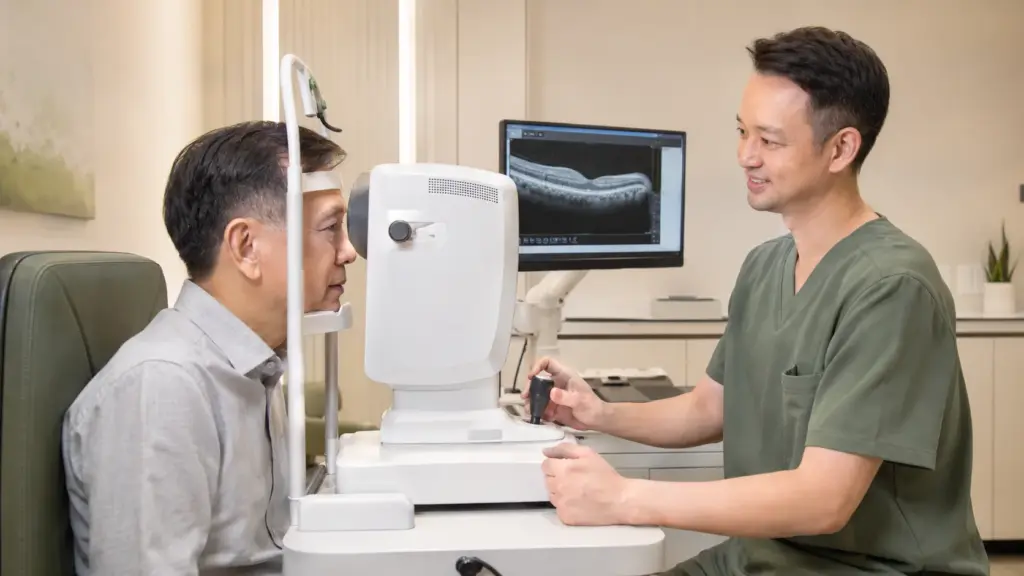
Depending on the clinical findings, this could include optic nerve imaging, eye pressure measurements and visual field tests.
Retinal conditions are another reason to seek specialist care. People with diabetes, for example, may need their retinas examined for signs of diabetic eye disease. Others may require assessment for macular problems, retinal tears or unexplained changes in vision.
Insurance coverage for these consultations and tests will depend on the outpatient or specialist benefits attached to your particular plan.

Can my children use the same insurance?
Possibly, provided they are included as dependants under your policy and the relevant benefits apply.
This can be useful for families living in Singapore, where concerns about childhood myopia are common. A child may also need assessment because one eye appears to turn inward, because they struggle to see the whiteboard, or because a school screening has identified a possible problem.
Before the appointment, check that your child is listed on the policy and whether you need a referral. As with adult consultations, coverage depends on the terms of your plan.

Are LASIK, TransPRK, SMILE Pro or ICL included?
Usually, procedures intended to reduce dependence on spectacles or contact lenses are treated differently from surgery for a medical condition.
LASIK, TransPRK, SMILE Pro and implantable collamer lens procedures are commonly considered elective. Many insurance policies therefore exclude them, although individual plans can vary.
An optical benefit should not be mistaken for automatic coverage of refractive surgery. It may apply to glasses, contact lenses or other specified expenses instead.
If you are considering vision correction, check the exact wording of your policy and ask the insurer to confirm your benefits before making any assumptions.

What happens when you book?
Let OneVision know that you are insured with APRIL International when arranging your appointment. Have your membership details ready, along with any referral letter your policy requires.
APRIL members can usually find their digital membership card and policy documents through the Easy Claim app. Depending on the circumstances, the app may also be used to submit reimbursement claims or request approval for planned treatment.
If direct billing is available for your policy and the service involved, you may not need to pay the full eligible amount upfront. However, deductibles, co-payments and excluded items can still apply.
For procedures or hospital treatment, approval may be needed before treatment takes place. Arranging this early can help prevent unwelcome surprises later.
Eye care that fits around life in Singapore
For expatriates, corporate employees and families, finding a specialist is only part of the process. Understanding your insurance and knowing what to bring can make the appointment considerably less stressful.
Whether you are concerned about persistent eye discomfort, managing an existing eye condition or exploring treatment for cataracts, OneVision can help you take the next step.
To arrange an appointment or ask about APRIL International insurance:
OneVision Eye Specialist & LASIK Centre
3 Mount Elizabeth, #13-10 Medical Centre
Singapore 228510
Call or WhatsApp: +65 8603 8980
Email: hello@onevision.com.sg
All insurance benefits, billing arrangements and treatment approvals depend on your policy terms, exclusions, limits and insurer authorisation.

OneVision Eye Specialist & LASIK Centre
3 Mount Elizabeth, #13-10 Medical Centre
Singapore 228510